Spray Foam vs Fiberglass vs Cellulose

New England Performance Insulation • April 20, 2026

Spray Foam vs Fiberglass vs Cellulose: What’s the Difference?

Not all insulation performs the same, and choosing the right material can make a major difference in your home’s comfort and energy costs.


While fiberglass and cellulose are common due to lower upfront cost, spray foam offers a different level of performance by addressing both insulation and air leakage.

Why Spray Foam Outperforms Traditional Insulation

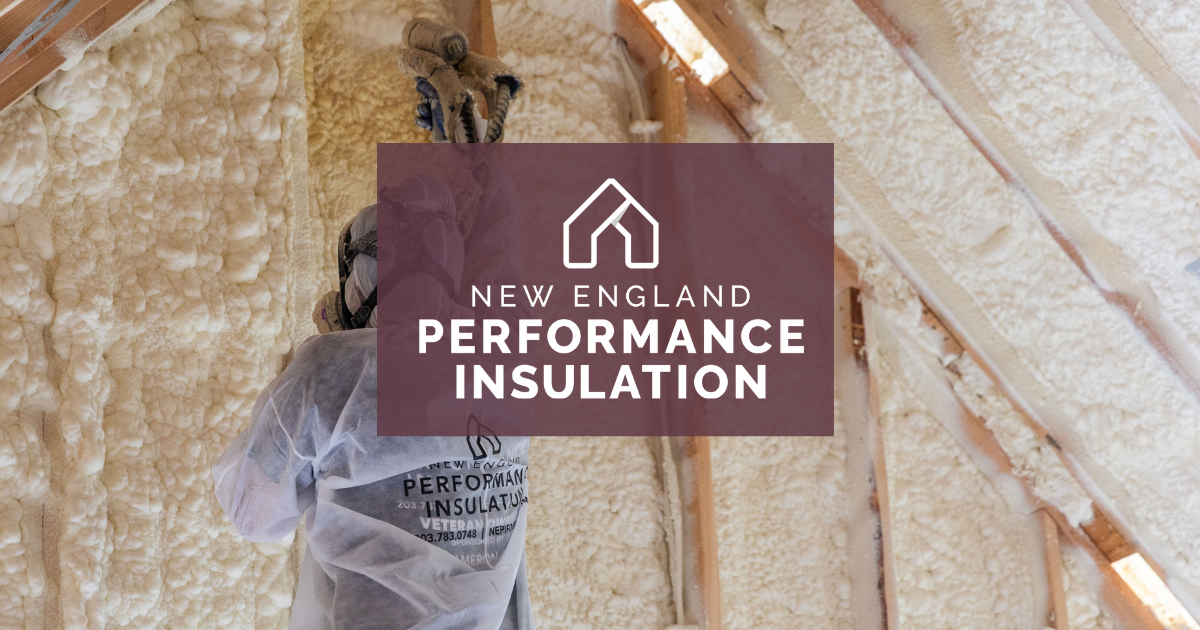
Spray foam stands apart because it doesn’t just insulate—it seals.


Traditional insulation slows down airflow, but spray foam stops it completely, which is where most of the efficiency comes from.


  • Creates an air-tight seal
  • Prevents heating and cooling from escaping
  • Improves overall home performance


As described in the conversation, spray foam is like putting a lid on a cup, while other insulation types are more like placing something loosely over it—air can still escape.

How Fiberglass and Cellulose Compare

Fiberglass and cellulose are widely used because they are more affordable upfront, but they don’t deliver the same long-term efficiency.


  • They slow airflow, but don’t eliminate it
  • Energy savings are more limited
  • Performance depends heavily on installation quality


They can still be effective in certain situations, but they don’t provide the same level of control over air movement.

Cost vs Performance: What You’re Really Paying For

The biggest difference between these insulation types comes down to upfront cost versus long-term value.


  • Fiberglass / Cellulose: Lower initial cost, lower long-term savings
  • Spray Foam: Higher upfront cost, significantly better efficiency


Over time, spray foam can reduce energy bills enough to offset the initial investment—especially for homeowners planning to stay in their home.

FAQ

  • Which insulation is best overall?

    Spray foam offers the best overall performance because it seals air and provides high insulation value.

  • Why is spray foam more efficient than fiberglass?

    Spray foam is more efficient than fiberglass because it stops air movement instead of just slowing it down.


  • Is fiberglass insulation still a good option?

    Yes, for budget-conscious projects, but it won’t deliver the same efficiency as spray foam.

  • Can you combine insulation types?

    Yes, many homes use a combination to balance cost and performance.

For more information or to schedule service, call us at (203) 783-0748 or click below.

Two people at a desk reviewing a laptop in an office, with a “New England Performance Insulation” sign on screen
By New England Performance Insulation July 8, 2026
See what 163 reviews and a 5.0 average rating reveal about New England Performance Insulation — the top-rated spray foam insulation contractor in Milford, CT and New Haven County.
By New England Performance Insulation June 17, 2026
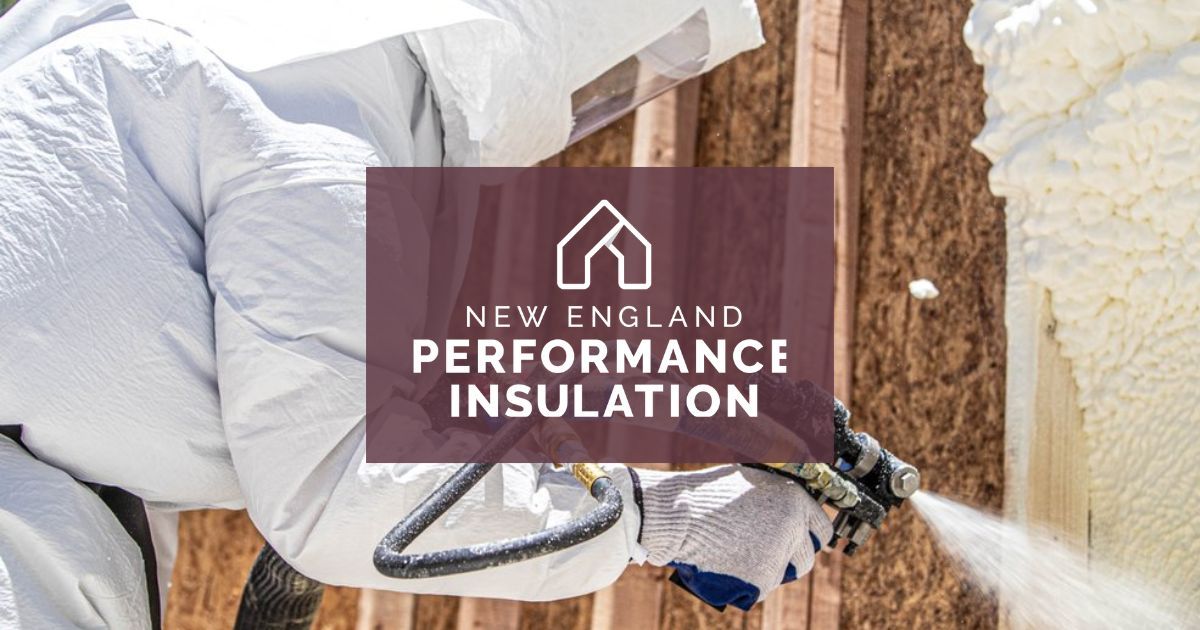
A Connecticut homeowner shares why they chose spray foam insulation for their new construction home — and how it cut long-term heating and cooling costs from day one.
By New England Performance Insulation June 17, 2026
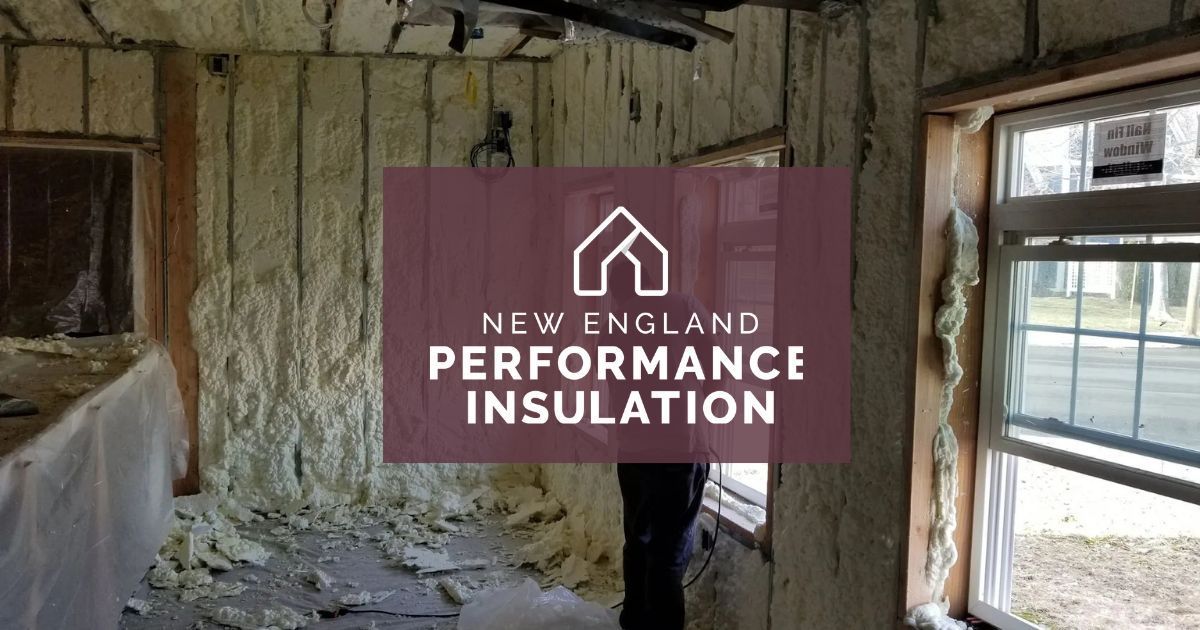
Watch NEPI's crew install 4 inches of R-Max rigid foam insulation in a 3,500 sq ft new construction basement using a pin system that's dramatically faster than adhesive. See how it's done.
By New England Performance Insulation June 17, 2026
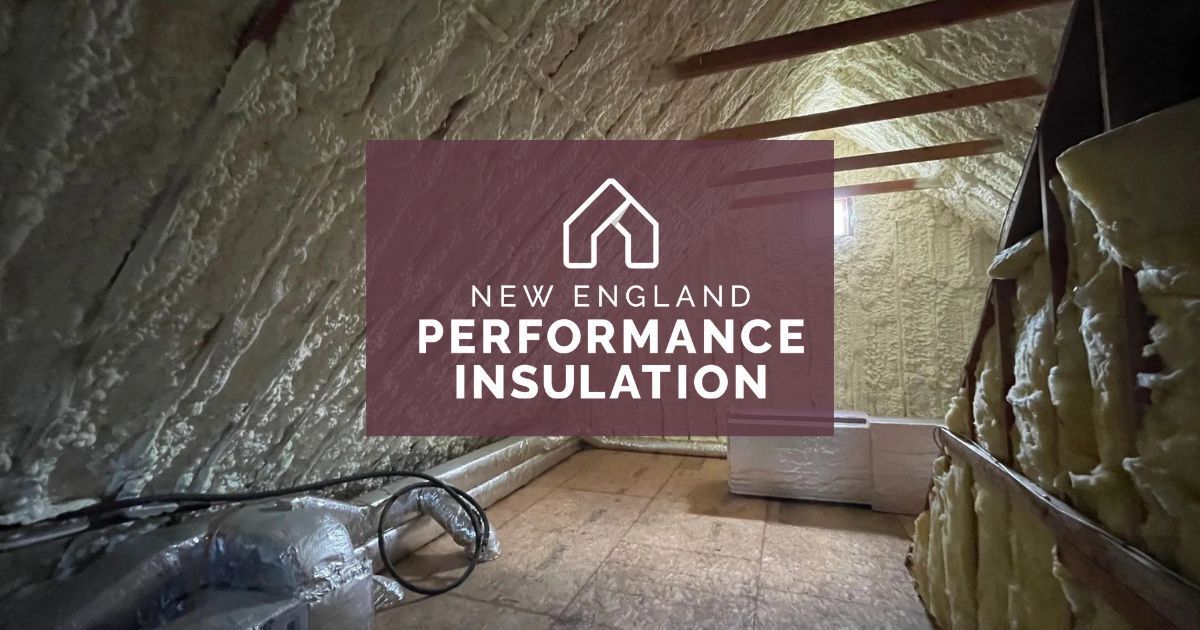
Learn about New England Performance Insulation (NEPI) — a Milford, CT insulation contractor serving New Haven County since 2015. Spray foam, fiberglass, cellulose, crawl space encapsulation, and commercial fireproofing.
By New England Performance Insulation June 17, 2026
Hear from a real Connecticut homeowner about what it's like to hire NEPI for insulation. From five-star reviews to responsive staff — here's why homeowners trust NEPI.

A person stands beside a commercial truck branded with
By New England Performance Insulation April 20, 2026
Learn what commercial fireproofing is, how it protects structural steel, and why it’s required by building codes for safety.
A person in protective gear uses a spray foam gun to apply insulation to the interior wall and rafters of a building.
By New England Performance Insulation April 20, 2026
Learn how fireproofing protects structural steel, prevents collapse, and helps meet building codes. A complete guide for commercial construction and safety.
A row of white and maroon business trucks and a pickup truck parked on an asphalt lot outdoors on a sunny day.
By New England Performance Insulation April 20, 2026
Learn the difference between fireproofing and fire-resistant insulation, where each is used, and how they impact safety, building codes, and energy efficiency.
A worker in protective gear sprays foam insulation onto the wooden rafters and walls of an attic interior.
By New England Performance Insulation April 20, 2026
Learn where fireproofing is applied and why it’s essential for protecting commercial buildings.
Foam insulation applied between wooden roof rafters, with a New England Performance Insulation logo in the corner.
By New England Performance Insulation April 20, 2026
Spray foam insulation is the most energy-efficient option, sealing air leaks and boosting long-term performance. See how it compares to fiberglass and cellulose.
Show More