
Can Air Sealing Keep Mice Out of Your Attic?

New England Performance Insulation • July 31, 2026

If you've dealt with mice in your attic during the colder months, you already know the frustrating part: you seal up the entry points you can find, the pest control company sets traps, and yet somehow they still get back in. It's one of the most common issues we hear about from Connecticut homeowners when they call about attic insulation — and it turns out insulation and pest problems are more connected than most people realize. Here's why mice keep finding their way back in, and where insulation fits alongside pest control.

Why Mice Keep Getting Into "Sealed" Attics

Mice don't need much. A gap the width of a pencil is enough for a mouse to squeeze through, and attics are full of exactly those kinds of gaps — places where pest control companies aren't always looking, because they're focused on obvious entry points like vents, soffits, and rooflines. A pest control company is trained to look for rodent behavior and set traps — not necessarily to identify every thermal and air gap in your attic's building envelope. That's a different skill set, and it's exactly where insulation contractors add value alongside pest control.

The gaps we find most often, that a general pest sweep can miss, include the areas around recessed lighting fixtures where the housing meets the ceiling drywall, spots where HVAC ducts and plumbing stacks penetrate the attic floor, gaps around old, compressed batt insulation that has settled or shifted over 20-plus years, and small gaps at wall top plates where the wall framing meets the attic space.

How Spray Foam Air Sealing Helps

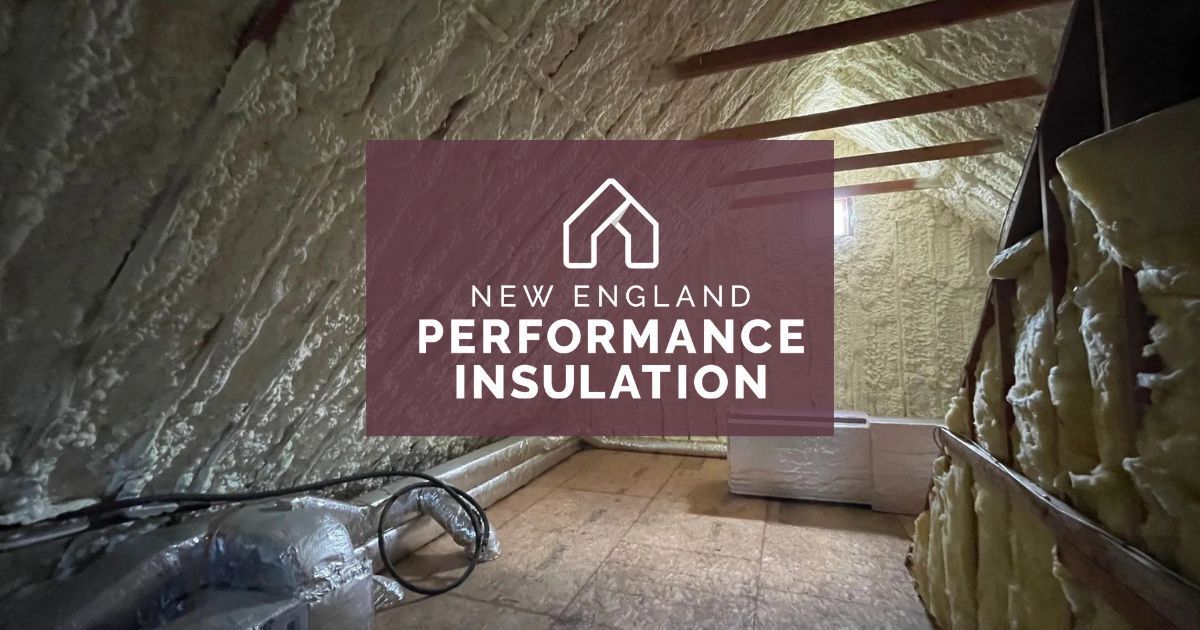
Closed-cell spray foam does two things at once that matter here. It physically fills gaps that batt insulation simply drapes over, rather than sealing, and it cures into a rigid, continuous barrier — unlike fiberglass batts, which mice can burrow through or nest in. When we air seal an attic with spray foam, we're not just closing up entry points a pest company already identified — our crew is looking at the same space through an insulation lens, which means we often catch penetrations and gaps that weren't on anyone's radar yet.

What We Recommend If You Have an Active Mouse Problem

If you're already working with a pest control company, that's a good thing — insulation work isn't a substitute for pest control, and we won't tell you otherwise. What we typically recommend is keeping your pest control service in place for trapping and monitoring, since that's not something insulation replaces. We'll assess the attic specifically for air gaps and insulation condition, especially if the existing insulation is old, compressed, or disturbed, which is often a sign mice may already be nesting in it.

Insulation that shows signs of rodent activity — droppings, nesting material, or matted and compressed batts — is usually a sign the insulation itself needs to go, not just be topped off. And we treat air sealing penetrations as part of the insulation upgrade, not as a separate step, since our crew is already in the attic assessing every penetration point while we work.

The Bottom Line

Mice getting into an attic despite "sealing the known entry points" usually means there are unknown entry points — and old, worn insulation is often hiding them. If you're dealing with this in a Milford or New Haven County home, an attic insulation assessment alongside your pest control service can close gaps neither service would catch alone. This same kind of attic air sealing is also central to preventing winter ice dams in Connecticut homes — uncontrolled attic air leakage tends to cause more than one seasonal headache at once.

Frequently Asked Questions

  • Can spray foam actually keep mice out of my attic?

    Spray foam helps by sealing the small gaps and cracks that mice use to enter, especially around plumbing penetrations, wiring holes, and where the attic meets the exterior walls. It is not a standalone pest control solution, but it closes off entry points that pest control alone often cannot address.

  • I already had pest control seal my attic, so why do mice keep coming back?

    Pest control typically targets visible, known entry points. Aging insulation can hide additional gaps behind or beneath it that go unnoticed during a standard pest inspection. Air sealing with spray foam addresses these hidden openings that traditional pest control methods can miss.

  • What areas of the attic are most likely to have gaps mice use to get in?

    Common entry points include gaps around plumbing stacks, electrical wiring penetrations, HVAC chases, and where the roofline meets exterior walls. Older insulation, like batts or loose fill, tends to shift or settle over time, opening up these access points.

  • Does air sealing with spray foam replace the need for pest control?

    No. Air sealing and pest control serve different purposes. Pest control addresses existing mice and monitors for activity, while spray foam air sealing closes the physical entry points so new mice have a harder time getting in. Many Connecticut homeowners use both together for the best results.

  • How do I know if my attic has hidden gaps that need air sealing?

    If you have had recurring mice problems despite pest control treatment, it is worth having an insulation contractor inspect the attic. NEPI can assess whether aging or settled insulation is hiding gaps behind it that a visual pest inspection would not catch.

Dealing With Mice and Aging Attic Insulation?

 Contact NEPI for an attic assessment — we'll look at both the insulation condition and the air-sealing gaps that pest control alone might miss.

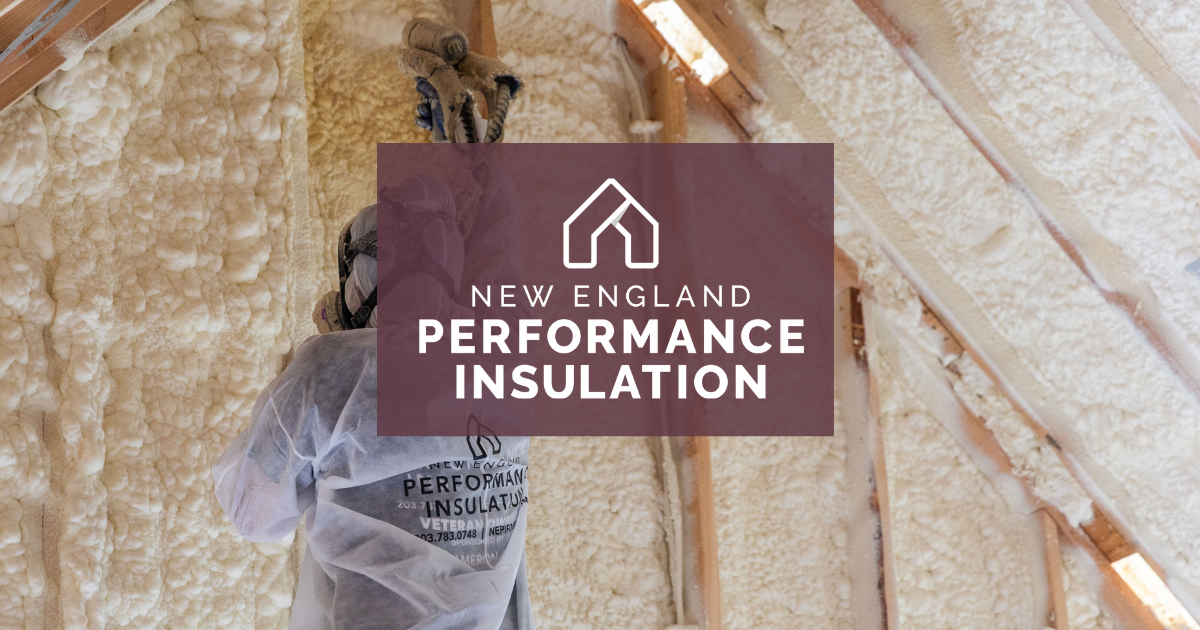
Worker installing spray foam insulation in attic with New England Performance Insulation logo overlay
By New England Performance Insulation July 31, 2026
Recessed lighting and spray foam insulation don't have to be a fire-code headache. Learn how NEPI safely insulates around IC and non-IC rated fixtures in CT attics.
Logo for New England Performance Insulation over a construction site with exposed framing and insulation tools
By New England Performance Insulation July 31, 2026
Think your insulation job is too small to call about? NEPI handles crawlspace cleanouts, duct patches, and single-room spray foam jobs across Milford and New Haven County, CT.

Two people at a desk reviewing a laptop in an office, with a “New England Performance Insulation” sign on screen
By New England Performance Insulation July 8, 2026
See what 163 reviews and a 5.0 average rating reveal about New England Performance Insulation — the top-rated spray foam insulation contractor in Milford, CT and New Haven County.
By New England Performance Insulation June 17, 2026
A Connecticut homeowner shares why they chose spray foam insulation for their new construction home — and how it cut long-term heating and cooling costs from day one.
By New England Performance Insulation June 17, 2026
Watch NEPI's crew install 4 inches of R-Max rigid foam insulation in a 3,500 sq ft new construction basement using a pin system that's dramatically faster than adhesive. See how it's done.
By New England Performance Insulation June 17, 2026
Learn about New England Performance Insulation (NEPI) — a Milford, CT insulation contractor serving New Haven County since 2015. Spray foam, fiberglass, cellulose, crawl space encapsulation, and commercial fireproofing.
By New England Performance Insulation June 17, 2026
Hear from a real Connecticut homeowner about what it's like to hire NEPI for insulation. From five-star reviews to responsive staff — here's why homeowners trust NEPI.

A person stands beside a commercial truck branded with
By New England Performance Insulation April 20, 2026
Learn what commercial fireproofing is, how it protects structural steel, and why it’s required by building codes for safety.
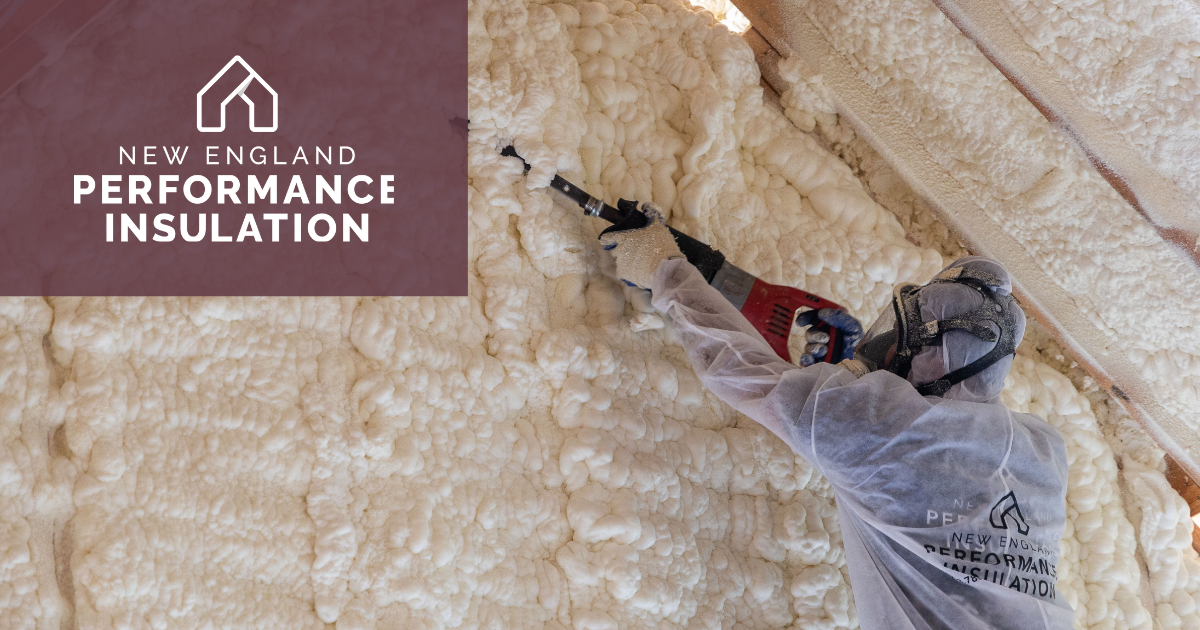
A person in protective gear uses a spray foam gun to apply insulation to the interior wall and rafters of a building.
By New England Performance Insulation April 20, 2026
Learn how fireproofing protects structural steel, prevents collapse, and helps meet building codes. A complete guide for commercial construction and safety.

A row of white and maroon business trucks and a pickup truck parked on an asphalt lot outdoors on a sunny day.
By New England Performance Insulation April 20, 2026
Learn the difference between fireproofing and fire-resistant insulation, where each is used, and how they impact safety, building codes, and energy efficiency.
Show More