
Why This Homeowner Chose Spray Foam Over Batts — And Felt the Difference Immediately
When you're building a new home, insulation is one of those decisions that's easy to undervalue. It's hidden behind the walls, it doesn't look impressive during the walk-through, and the cheapest option seems to do the same job on paper. But for one Connecticut homeowner, the decision to invest in spray foam insulation over traditional batt or BIBS installation came down to a simple question: what is this home going to cost us to live in for the next 20 years?
Their answer — and what they experienced in the weeks after the spray foam went in — makes a compelling case for why more homeowners and builders in the Milford, CT area are choosing spray foam as their insulation system of choice.
The Problem with the Last House
"We lived in a home that was 25 years old and had a $300 a month heating and cooling bill. And in this area, that's outrageous."
Three hundred dollars a month on heating and cooling is more than $3,600 a year — and in Connecticut, with its cold winters and humid summers, that number climbs steadily as a home ages and its insulation degrades. For this homeowner, that experience was fresh in their mind when it came time to make insulation decisions on their new build.
The goal wasn't just comfort. It was long-term financial performance. They wanted a home that would stay warm in winter and cool in summer without punishing them on their monthly utility bills year after year.
Why They Chose Spray Foam Over Traditional Options
"We did look at other options — certainly we had the option to go with traditional batt insulation or a BIBS installation type style. In the end, we just felt that we were going to get the best performance from the spray foam product because of the way it's delivered and the way that it creates the overall envelope and seals the home."
This homeowner did their homework. Batt insulation — the familiar pink or yellow fiberglass rolls — is the most common residential insulation system, and it works reasonably well when installed perfectly. BIBS (Blow-In Blanket System) is an improvement over standard batts, filling cavities more completely with blown-in fiberglass. But neither system creates a true air barrier the way spray foam does.
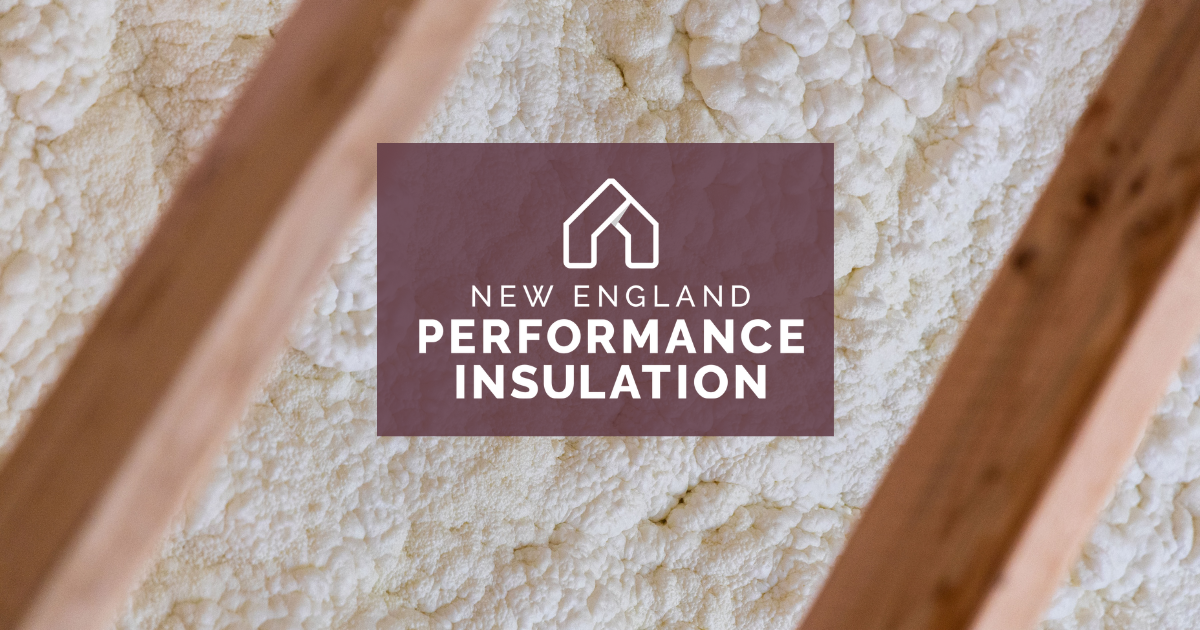
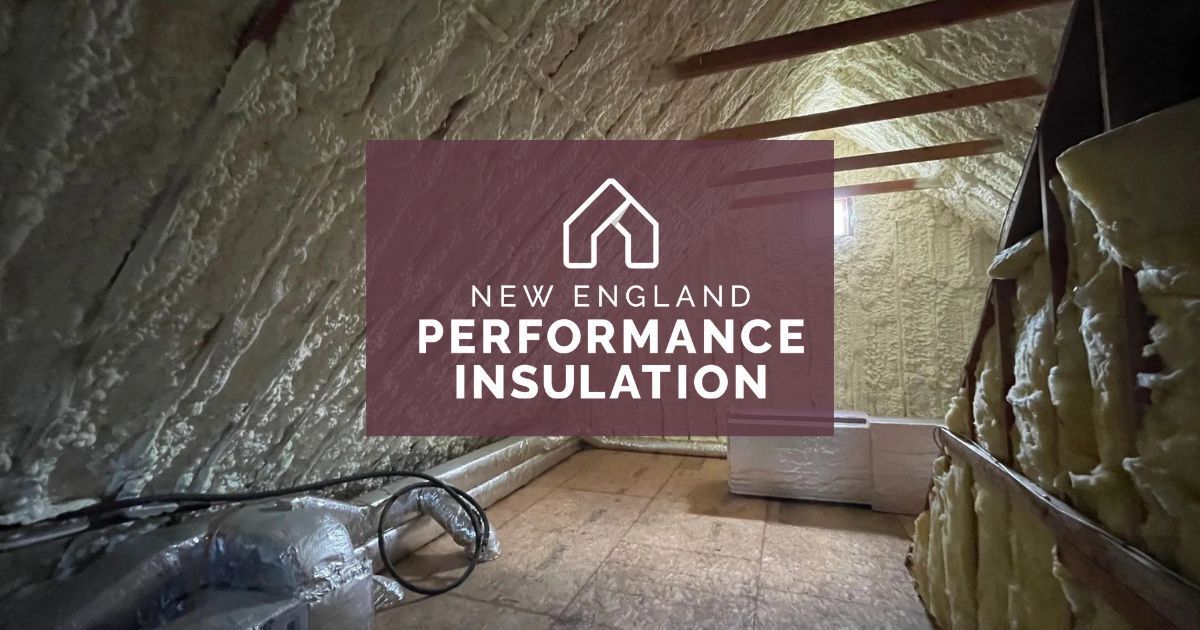
Spray foam expands on contact to fill every gap, crack, and void in the wall cavity. It doesn't just slow heat transfer — it stops air from moving through the building envelope altogether. In a climate like Connecticut's, where the temperature differential between inside and outside can exceed 50 degrees on a winter day, that air sealing function is where the real energy savings come from.
The Building Envelope Advantage
When insulation professionals talk about the "building envelope," they mean the continuous barrier between the conditioned interior of a home and the unconditioned exterior. A tight envelope keeps the air you've paid to heat or cool inside the home where it belongs. It also keeps moisture, allergens, and outdoor air pollution from infiltrating your living space.
Traditional batt insulation addresses thermal resistance (R-value) but does very little for air sealing. The seams between batts, the gaps around electrical boxes, the penetrations for plumbing and wiring — all of these become pathways for air movement. Contractors can go back and seal them with caulk and foam after the fact, but it's time-consuming, easy to miss, and rarely as thorough as spray foam applied in a single pass.
Spray foam does it all at once. One application seals the thermal envelope and the air barrier simultaneously — creating, as this homeowner described it, "one superior system altogether."
The Moment They Knew They'd Made the Right Call
"I have had a chance to experience spray foam during the construction of the home. When the spray foam product went in, shortly after that we started the drywall process — and during the drywall process they'll put heat in the house so that it dries quicker. We came into the house the next morning after that happened, and I looked at my wife and said, 'It still feels warm in here.' And that's really when she looked at me and said, 'Yeah, I guess we made the right decision.'"
This moment — walking into an unfinished home the morning after the heat was turned off and finding it still warm — is exactly what a well-insulated building envelope feels like in practice. There was no finished HVAC system running. No fine-tuned thermostats. Just spray foam in the walls and a home that held its temperature overnight because there was nowhere for the heat to go.
It's a simple, visceral proof point that no energy model or R-value chart can fully capture.
Already Recommending It to Others
"I would recommend spray foam, and actually already have recommended it. When you come in and you see the product being installed and how it's done, you realize it is a far superior product — because it does all those places where you'd have to go and seal after the fact with traditional installation systems. It does it all at once and creates one superior system altogether."
Word-of-mouth from homeowners who've lived with the results is some of the most credible evidence available when making an insulation decision. This homeowner didn't just feel good about the choice in the abstract — they recommended it to people they know because they saw and felt the difference firsthand.
What to Expect During Spray Foam Installation
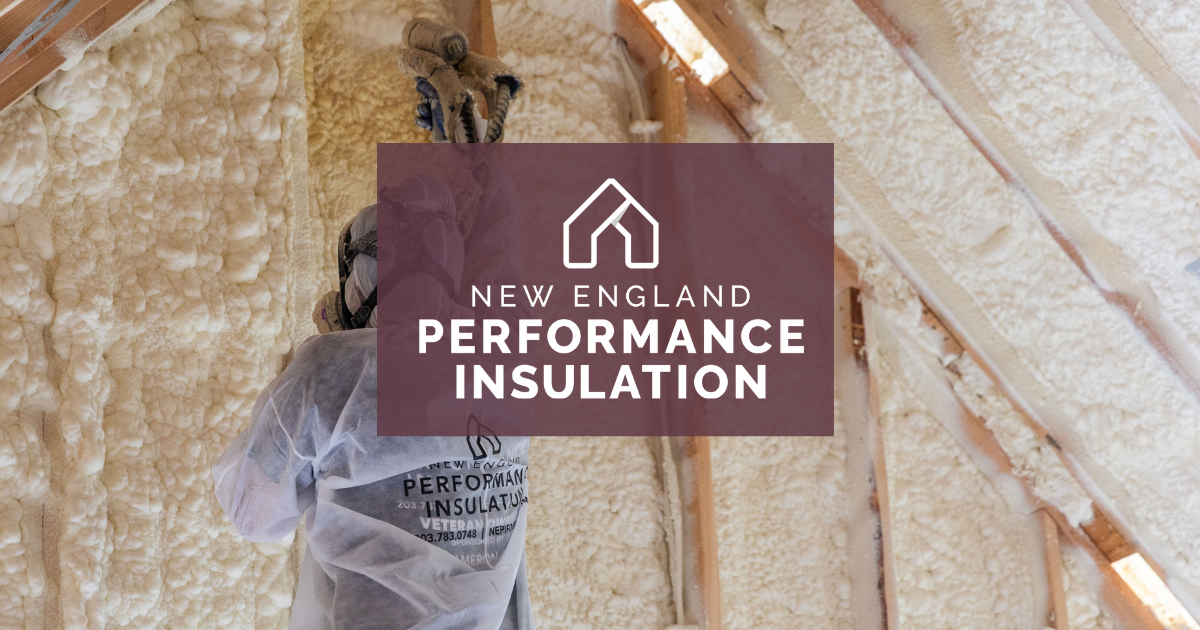
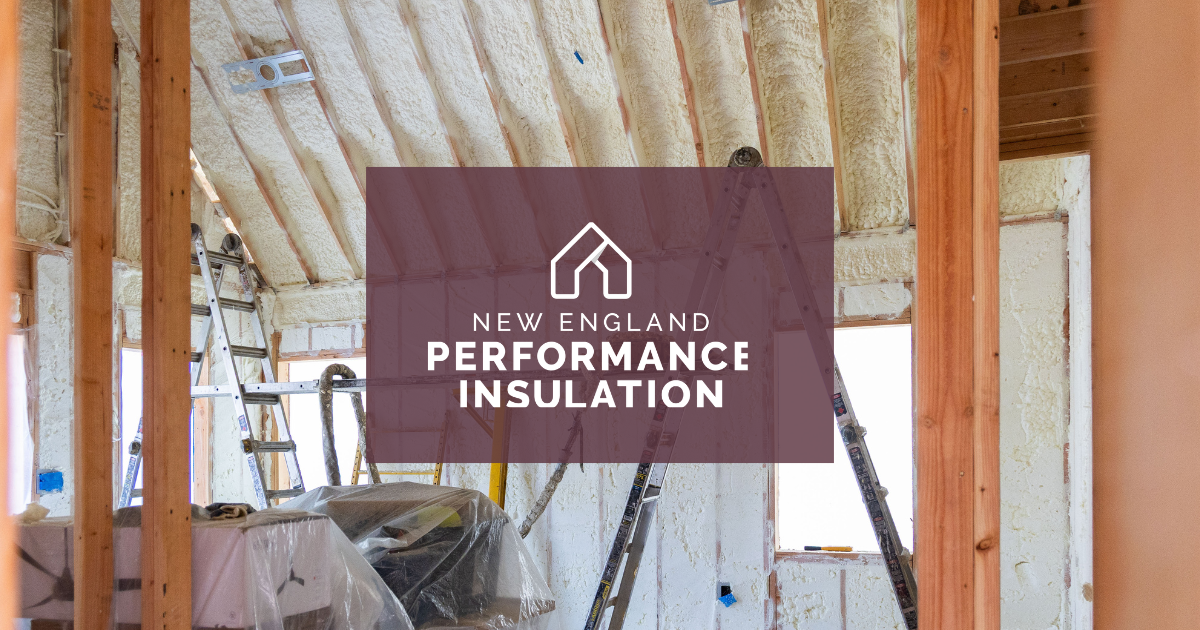
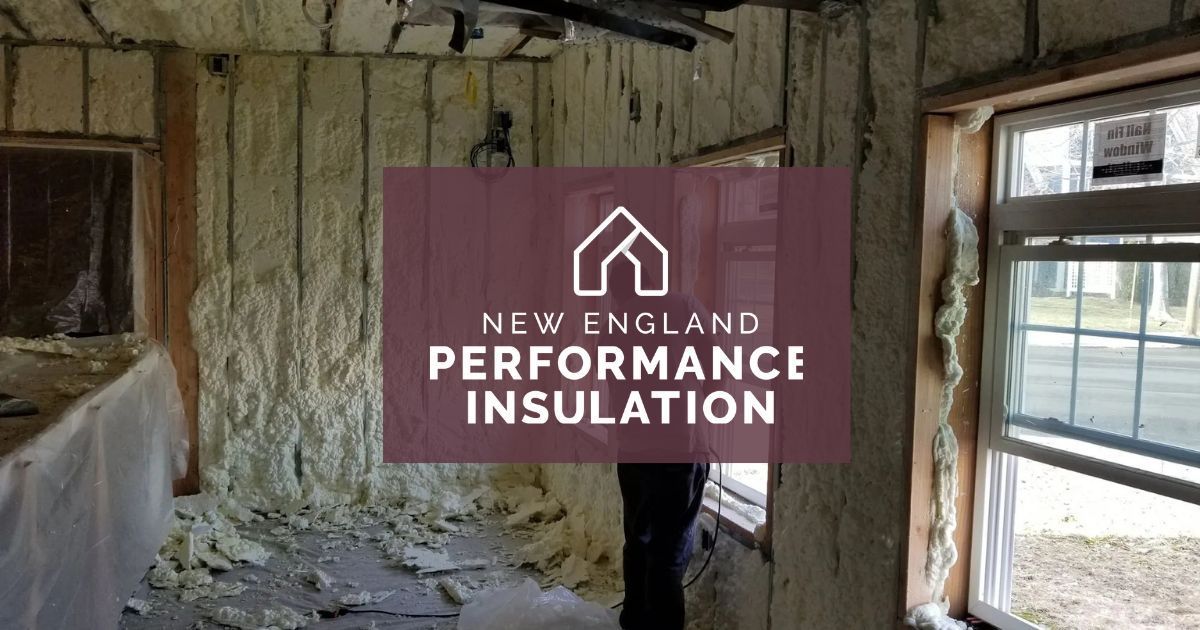
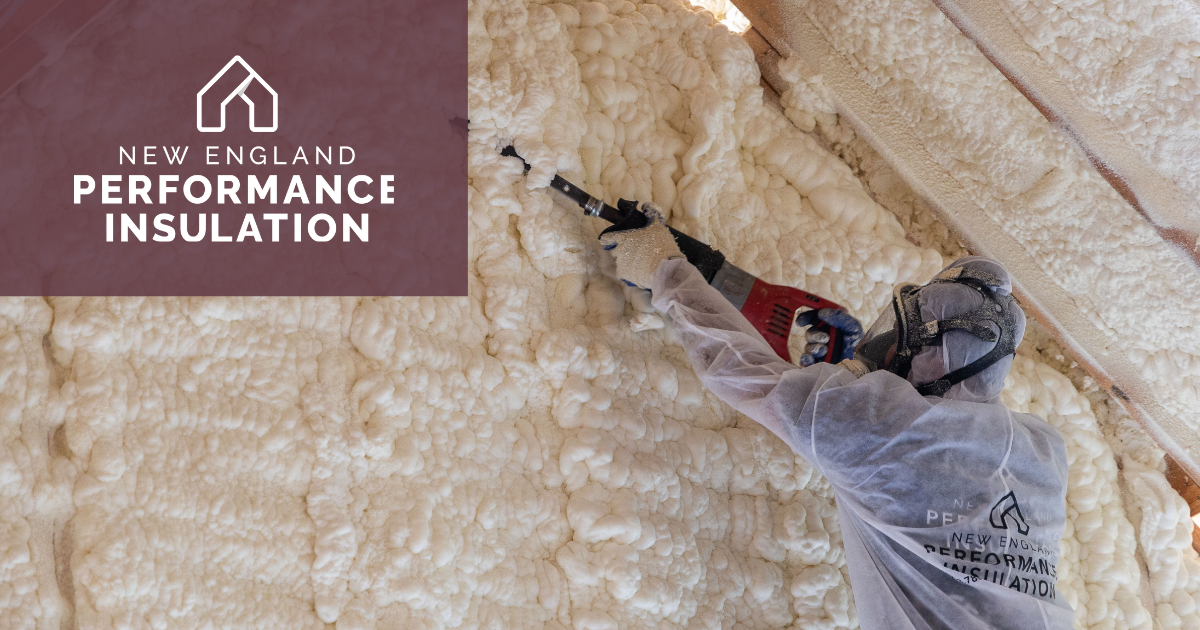
For homeowners unfamiliar with the process, spray foam installation can look dramatic. The product is applied as a liquid that expands rapidly to fill the cavity — it goes on fast, and within seconds it's a rigid, solid foam. The crew works systematically through each wall section, and in a new construction setting, the installation typically happens before drywall goes up, giving the foam full access to every stud bay and framing detail.
The result is a wall system that's monolithic — no gaps, no seams, no voids. Just continuous insulation from one end of the home to the other.
Is Spray Foam Right for Your New Construction Home?
Spray foam isn't the right answer for every situation or every budget — but for homeowners building new in Connecticut who are thinking about long-term operating costs, it deserves serious consideration. The upfront investment is higher than traditional batts, but the payback in reduced heating and cooling bills starts immediately and compounds over the life of the home.
At NEPI, we help homeowners and builders in the Milford, CT area evaluate their insulation options honestly. We'll walk you through the tradeoffs between spray foam, fiberglass, and cellulose, explain what each system will and won't do for your specific home, and give you a clear picture of what you're investing in. There's no pressure — just the information you need to make the right call for your project.
Frequently Asked Questions
Is spray foam insulation worth the extra cost for new construction?
For most Connecticut homeowners focused on long-term comfort and energy costs, yes. Spray foam creates a continuous air barrier that traditional batt or blown-in insulation can't match. The higher upfront cost is typically recovered through lower heating and cooling bills over time — often within a few years depending on the home's size and local energy prices.
What's the difference between spray foam and BIBS insulation?
BIBS (Blow-In Blanket System) uses blown-in fiberglass to fill wall cavities more completely than standard batts. It improves thermal performance but still doesn't create an air barrier the way spray foam does. Spray foam seals and insulates simultaneously, addressing both heat transfer and air infiltration in a single application.
How quickly does spray foam work? Will I notice a difference right away?
Many homeowners notice the difference during construction — before drywall even goes up. Because spray foam seals the building envelope so thoroughly, the home holds temperature dramatically better than an uninsulated or traditionally insulated structure. The homeowner in this article noticed it the morning after temporary heat was run to dry drywall mud.
Does NEPI install spray foam in new construction homes?
Yes. NEPI works directly with builders and homeowners throughout the new construction process, coordinating with other trades to ensure spray foam is installed at the right phase of the build. We serve new construction projects across Milford, CT and the greater New Haven County area.
How do I get a spray foam estimate from NEPI?
Call us at (203) 783-0748 or visit nepifoam.com to schedule a free consultation. We'll assess your project, explain your options, and give you a clear, detailed estimate.