NEPI's Certifications Explained: SBE, SAM & Veteran-Owned Status

New England Performance Insulation • August 3, 2026

Is NEPI Licensed, Certified, and Registered? Here's the Full Picture

Before you let a contractor into your attic — or onto a commercial job site — it's fair to ask: is this company actually qualified, insured, and in good standing? At New England Performance Insulation (NEPI), we hear this question from Milford homeowners and Connecticut general contractors alike, and we're always glad when people ask. Credentials aren't paperwork for paperwork's sake; they're how you separate a professional operation from a truck and a business card.

In this post, we'll walk through every certification and government registration NEPI currently holds, explain in plain language what each one means, and show you exactly how to verify our qualifications before your project begins — whether you're insulating a single crawlspace in New Haven County or bidding a public-sector building.

What Certifications and Government Registrations Does NEPI Hold?

NEPI currently maintains the following registrations and certifications:

  • SAM.gov Registration — active in the federal System for Award Management since 2024
  • Connecticut DAS Certified Small Business Enterprise (SBE) — certified through the CT Department of Administrative Services since 2025
  • Connecticut Veteran-Owned Micro Business — recognized as a veteran-owned business in the State of Connecticut
  • Veteran-Owned Small Business Entity (VOSBE) — application pending

Each of these is maintained and renewed by application, which means they aren't one-time badges — they reflect an ongoing commitment to staying compliant and in good standing with state and federal agencies. As a Milford, CT insulation contractor serving New Haven County since 2015, we treat these credentials as part of the same standard of care we bring to every job site.

What Does SAM.gov Registration Mean for Your Project?

SAM.gov — the System for Award Management — is the U.S. government's official vendor registration database, managed by the General Services Administration (GSA). Registering creates an active entity record, assigns a Unique Entity Identifier (UEI), and establishes the compliance foundation a business needs to work on federally funded projects.

Why does that matter? Only registered entities can participate in federal contracts, and registration verifies a company's legal and financial standing. For NEPI, SAM registration primarily opens the door to working as a subcontractor for prime contractors on federal, state, and local municipal projects across Connecticut. If you're a general contractor pursuing public work — from schools to municipal buildings — NEPI can step onto your project with the federal vendor record already in place.

It also signals something simpler: a contractor willing to go through federal vetting is a contractor with nothing to hide.

Why SBE Certification Matters to General Contractors

Connecticut's Small Business Enterprise program isn't just a state formality — it's a practical advantage for the GCs who partner with us. Here's how an SBE-certified insulation and commercial fireproofing subcontractor helps your bid:

  • Access to set-aside contracts — many public projects require or reward SBE participation, and partnering with a certified sub helps you qualify
  • Compliance and diversity goals — SBE participation helps GCs meet contracting requirements that encourage small-business inclusion
  • Competitive pricing — as a lean, local operation, we bid sharp and stay flexible on terms
  • Local knowledge — we know Connecticut building codes, inspectors, and site conditions because Milford and New Haven County are home turf

Have an upcoming bid with SBE participation requirements? That's a conversation worth having before your numbers are due, not after.

How Can Homeowners Verify NEPI's Credentials?

You don't need to be a general contractor to ask for proof — and you shouldn't hesitate to. Any Connecticut homeowner can request two documents from NEPI, and both are readily available just by asking:

  • Certificate of Insurance (COI) — confirms our active liability coverage
  • Connecticut Home Improvement Contractor (HIC) license — the state credential every legitimate CT home improvement contractor must carry

For larger commercial projects, general contractors sometimes require bonding — a third-party guarantee backed by a bonding agency. NEPI has an established bonding agent and the financial capability to be bonded when a project calls for it. Because bonding carries a fee, it's applied for on a per-project basis when the job requires it.

Our advice for any project, with any contractor: ask for the COI and HIC license every time. A professional will never make you feel awkward for asking.

Work With a Certified, Veteran-Owned Insulation Contractor in Milford, CT

SAM-registered, SBE-certified, veteran-owned, licensed, and insured — NEPI (New England Performance Insulation) brings the same accountability to a single-attic retrofit that we bring to a municipal subcontract. Whether you're a homeowner comparing insulation quotes in New Haven County or a general contractor lining up subs for a public bid, our credentials are on the table and easy to verify.

Ready to talk about your project? Request a free estimate online or call NEPI at (203) 783-0748 — and yes, feel free to ask for the paperwork.

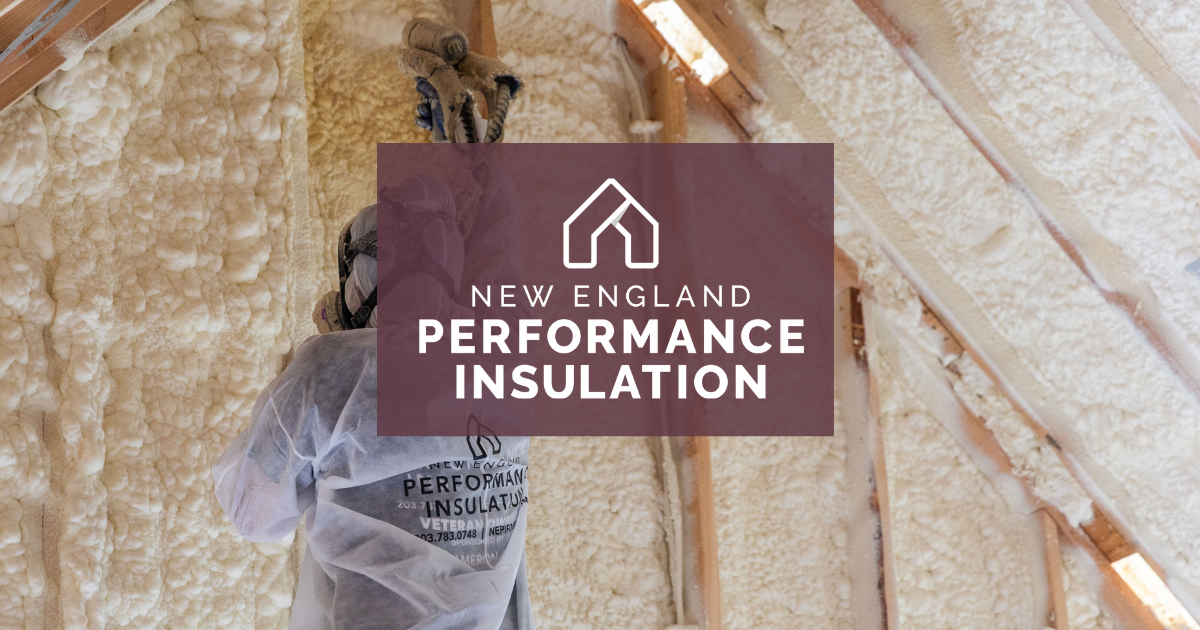
Worker installing spray foam insulation in attic with New England Performance Insulation logo overlay
By New England Performance Insulation July 31, 2026
Recessed lighting and spray foam insulation don't have to be a fire-code headache. Learn how NEPI safely insulates around IC and non-IC rated fixtures in CT attics.
New England Performance Insulation logo on a brown plaque over beige insulation
By New England Performance Insulation July 31, 2026
Sealed the known entry points but mice keep coming back? Learn how aging attic insulation hides gaps pest control alone can miss — and how spray foam air sealing helps.
Logo for New England Performance Insulation over a construction site with exposed framing and insulation tools
By New England Performance Insulation July 31, 2026
Think your insulation job is too small to call about? NEPI handles crawlspace cleanouts, duct patches, and single-room spray foam jobs across Milford and New Haven County, CT.
Two people at a desk reviewing a laptop in an office, with a “New England Performance Insulation” sign on screen
By New England Performance Insulation July 8, 2026
See what 163 reviews and a 5.0 average rating reveal about New England Performance Insulation — the top-rated spray foam insulation contractor in Milford, CT and New Haven County.
By New England Performance Insulation June 17, 2026
A Connecticut homeowner shares why they chose spray foam insulation for their new construction home — and how it cut long-term heating and cooling costs from day one.
By New England Performance Insulation June 17, 2026
Watch NEPI's crew install 4 inches of R-Max rigid foam insulation in a 3,500 sq ft new construction basement using a pin system that's dramatically faster than adhesive. See how it's done.
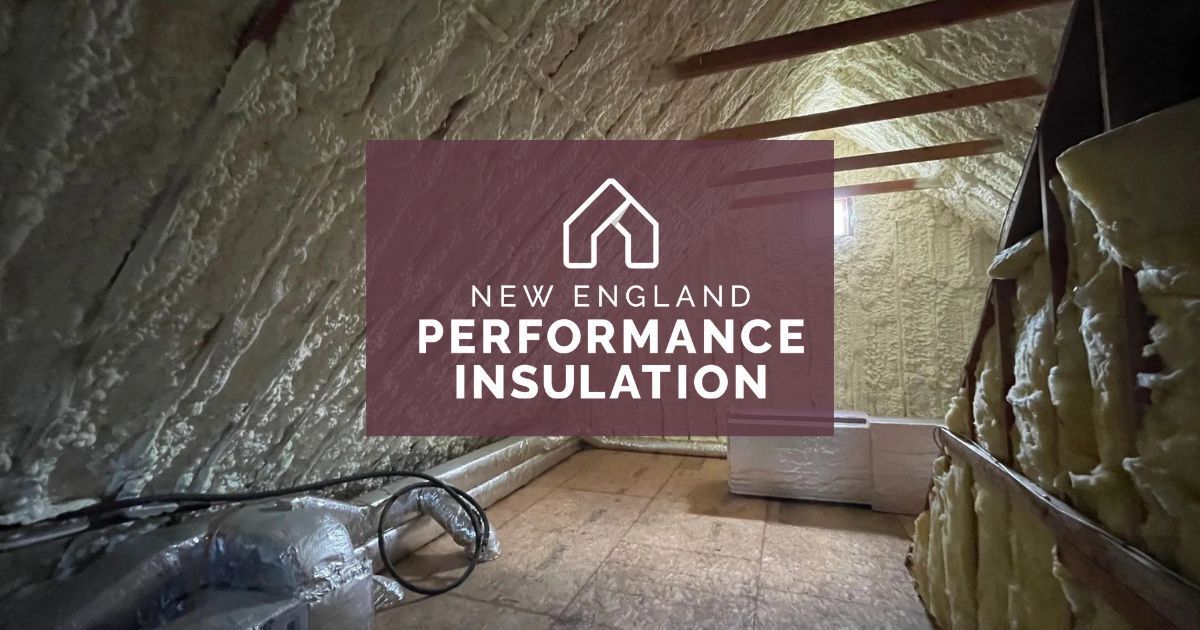
By New England Performance Insulation June 17, 2026
Learn about New England Performance Insulation (NEPI) — a Milford, CT insulation contractor serving New Haven County since 2015. Spray foam, fiberglass, cellulose, crawl space encapsulation, and commercial fireproofing.
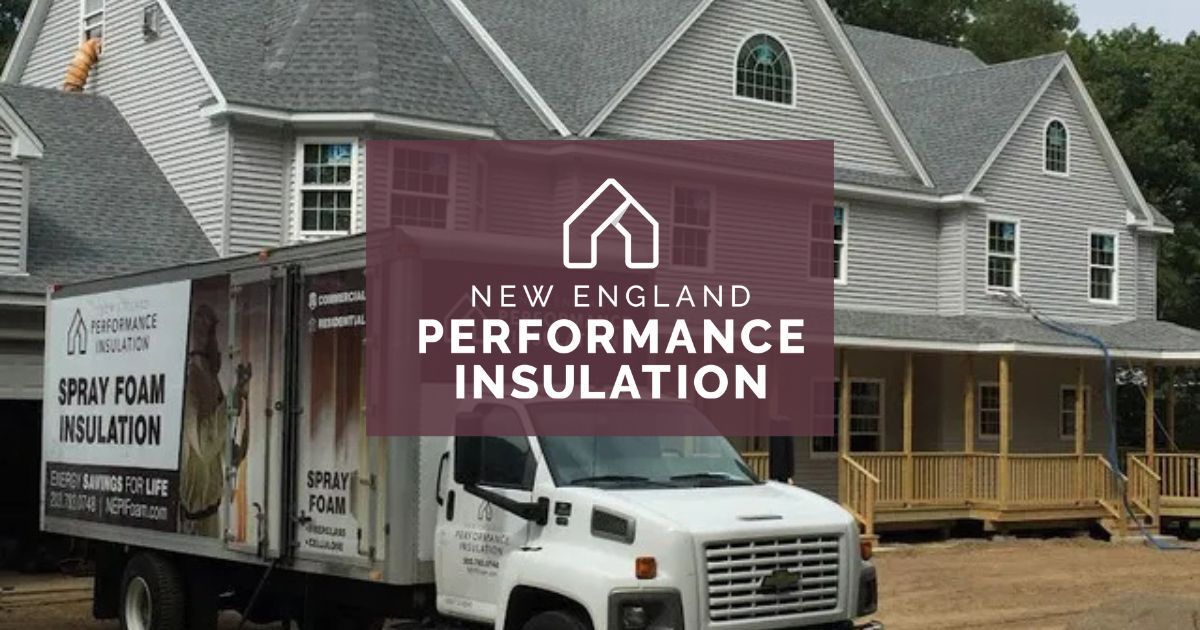
By New England Performance Insulation June 17, 2026
Hear from a real Connecticut homeowner about what it's like to hire NEPI for insulation. From five-star reviews to responsive staff — here's why homeowners trust NEPI.

A person stands beside a commercial truck branded with
By New England Performance Insulation April 20, 2026
Learn what commercial fireproofing is, how it protects structural steel, and why it’s required by building codes for safety.
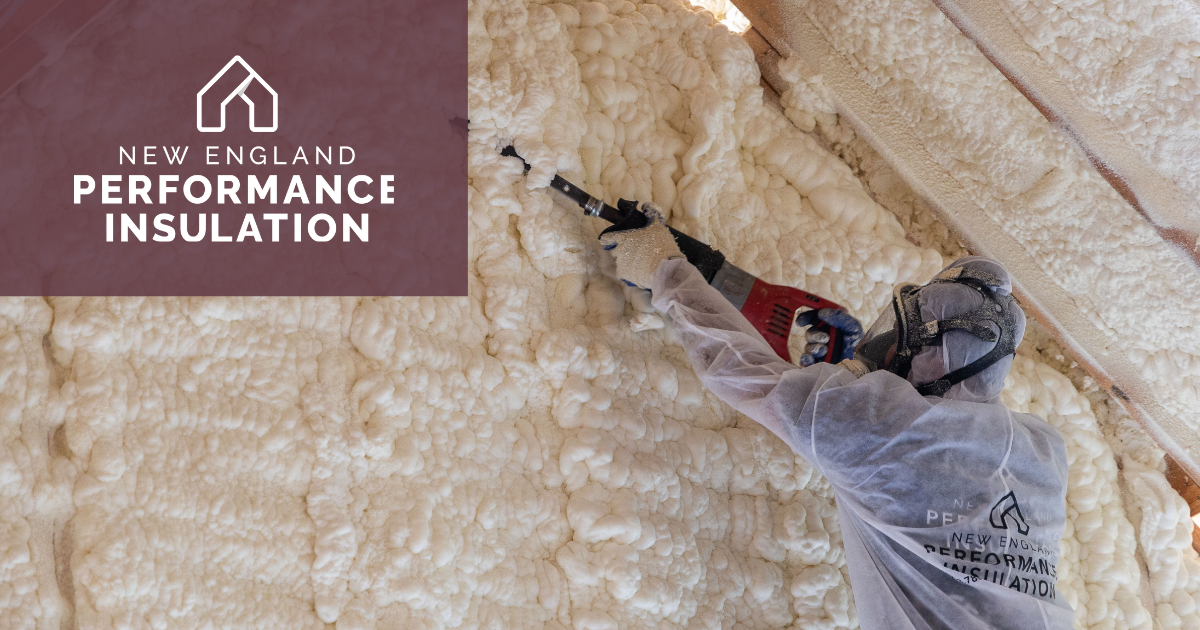
A person in protective gear uses a spray foam gun to apply insulation to the interior wall and rafters of a building.
By New England Performance Insulation April 20, 2026
Learn how fireproofing protects structural steel, prevents collapse, and helps meet building codes. A complete guide for commercial construction and safety.
Show More