What Is Commercial Fireproofing and Why Is It Important?
Commercial fireproofing plays a critical role in protecting buildings during a fire. It is designed to preserve structural integrity long enough for safe evacuation and emergency response.
Commercial fireproofing is a spray-applied material used on structural steel to slow heat damage during a fire. It helps prevent steel from weakening and collapsing, typically providing up to four hours of protection. It is required by building codes in most commercial construction projects.
How Fireproofing Works
Fireproofing creates a protective barrier between fire and steel.
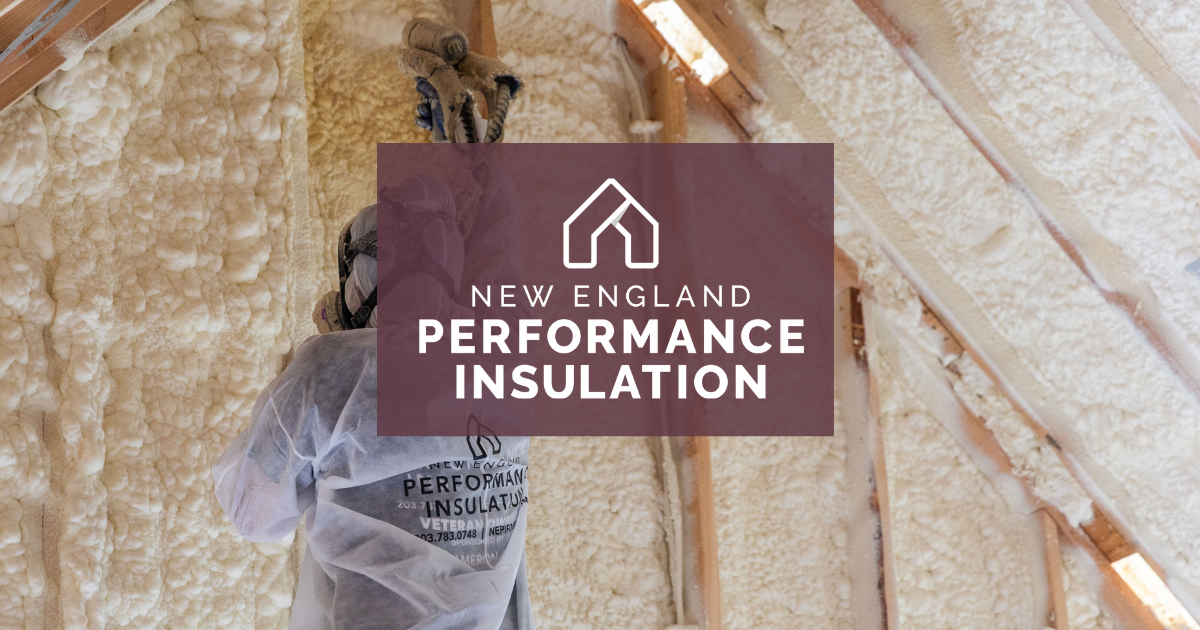
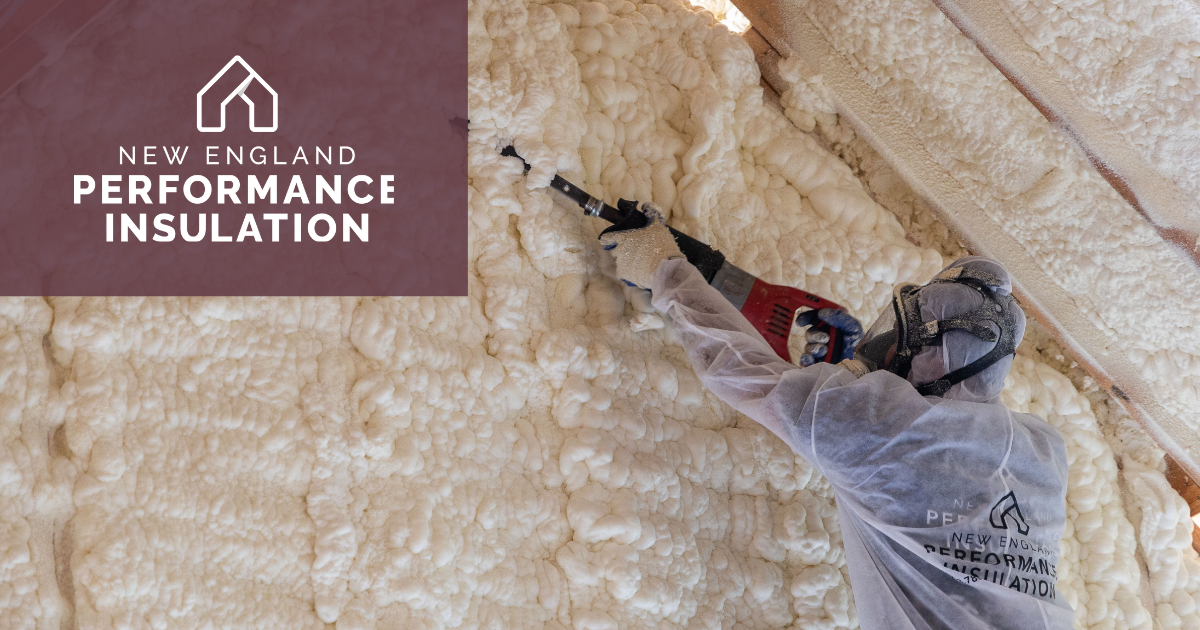
Once applied, the material bonds directly to the steel and acts as an insulating layer that slows how quickly heat reaches the structure. Instead of the steel immediately absorbing extreme temperatures, the fireproofing delays that process.
- Slows heat transfer
- Prevents rapid temperature rise
- Maintains structural strength longer
This delay is what keeps buildings standing during critical moments. In many cases, that added time—sometimes up to four hours—can be the difference between a safe evacuation and structural failure.
It’s important to understand that fireproofing does not stop a fire from spreading. Its role is strictly structural—it protects the steel so the building does not collapse prematurely while the fire is being handled.
Why It’s Required by Code
Fireproofing is mandatory because steel alone cannot withstand high temperatures.
Modern building codes, including the International Building Code (IBC), require fireproofing systems in commercial construction to ensure safety and structural performance. These systems must be properly installed and pass inspection before a project is completed.
- Required in commercial construction
- Must pass inspection
- Ensures life safety compliance
- Reduces liability for property owners
These regulations became more stringent over time as the industry recognized how vulnerable unprotected steel can be in a fire. Today, fireproofing is a standard part of nearly every commercial build because it directly impacts life safety and building stability.
- For property owners and general contractors, meeting these requirements isn’t just about compliance—it’s about protecting occupants, assets, and long-term investment.
Where Fireproofing Is Used
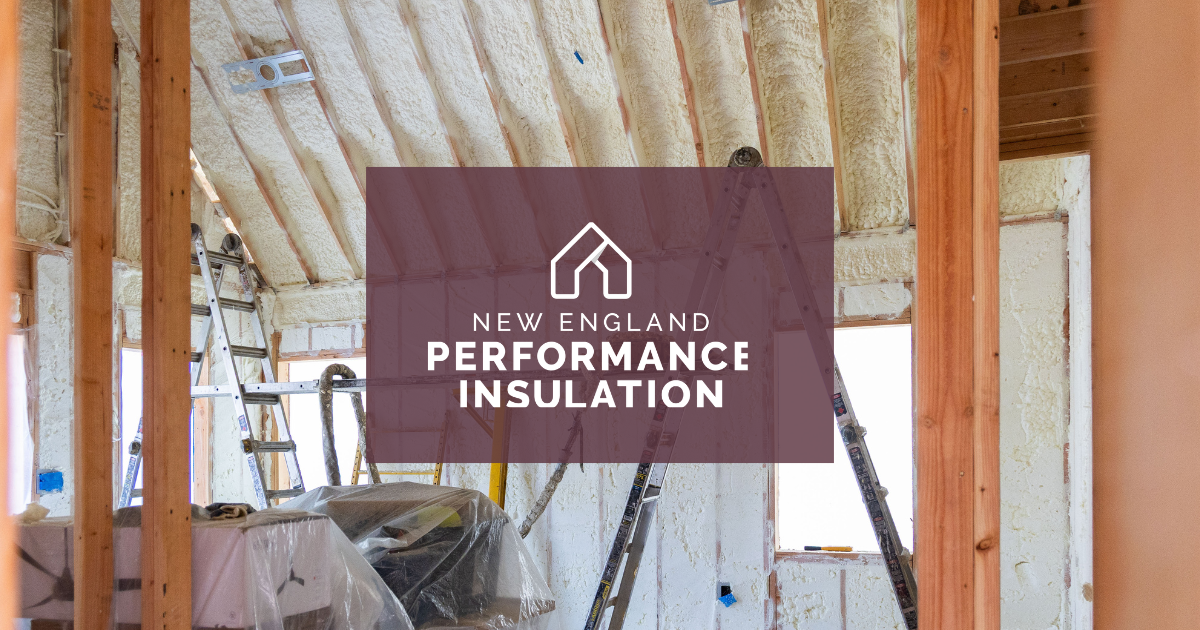
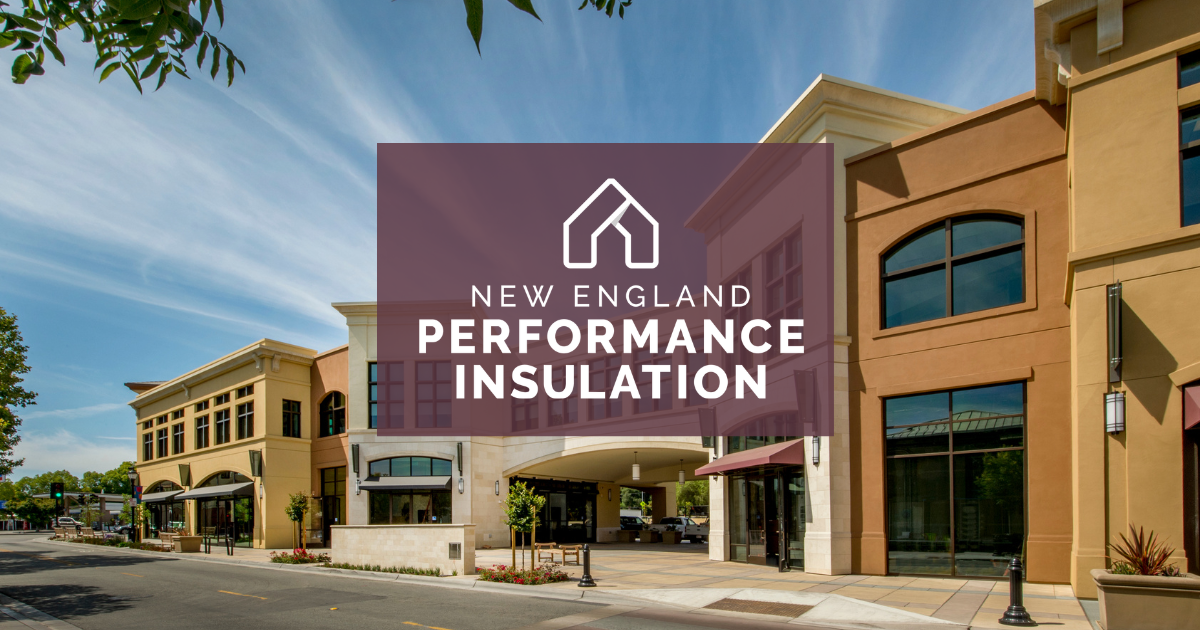
Fireproofing is used specifically on structural steel in commercial buildings. It is not applied to general wall cavities or residential insulation systems—its purpose is focused entirely on protecting the building’s structural frame.
Common in:
- Parking garages
- Warehouses
- Hospitals
- Office buildings
You’ll often see it as a sprayed coating on exposed beams. In places like parking garages, it appears as a rough or “fuzzy” texture applied directly to the steel.
The application timeline can vary depending on the size of the project. Smaller structures like parking garages may take a few days, while larger buildings such as hospitals can take weeks or more to complete.
Wherever structural steel is exposed and part of the building’s load-bearing system, fireproofing is a critical component to ensure that structure performs safely in the event of a fire.
Frequently Asked Questions
What does fireproofing do?
Fireproofing protects structural steel from heat damage by slowing how quickly high temperatures affect it during a fire. This helps maintain the building’s strength and prevents early collapse. It also provides critical time for occupants to evacuate and for emergency crews to respond safely.
Is it required?
Yes, fireproofing is required in most commercial buildings under current building codes. It must be properly installed and inspected to ensure the structure meets safety and fire-resistance standards.
How long does it last?
Fireproofing typically provides 1 to 4 hours of protection during a fire, depending on the thickness and type of material applied. This time frame refers to how long it can protect structural steel before it begins to weaken under extreme heat.
Does it stop fire spread?
No, fireproofing does not stop fire from spreading. Its purpose is to protect the structural steel so the building remains stable during a fire.
For more information or to schedule service, call us at (203) 783-0748 or click below.