
NEPI is a SAM-registered, SBE-certified, veteran-owned insulation contractor in Milford, CT. See what these credentials mean for your home or commercial project.
Recessed lighting and spray foam insulation don't have to be a fire-code headache. Learn how NEPI safely insulates around IC and non-IC rated fixtures in CT attics.
Sealed the known entry points but mice keep coming back? Learn how aging attic insulation hides gaps pest control alone can miss — and how spray foam air sealing helps.
Think your insulation job is too small to call about? NEPI handles crawlspace cleanouts, duct patches, and single-room spray foam jobs across Milford and New Haven County, CT.

See what 163 reviews and a 5.0 average rating reveal about New England Performance Insulation — the top-rated spray foam insulation contractor in Milford, CT and New Haven County.
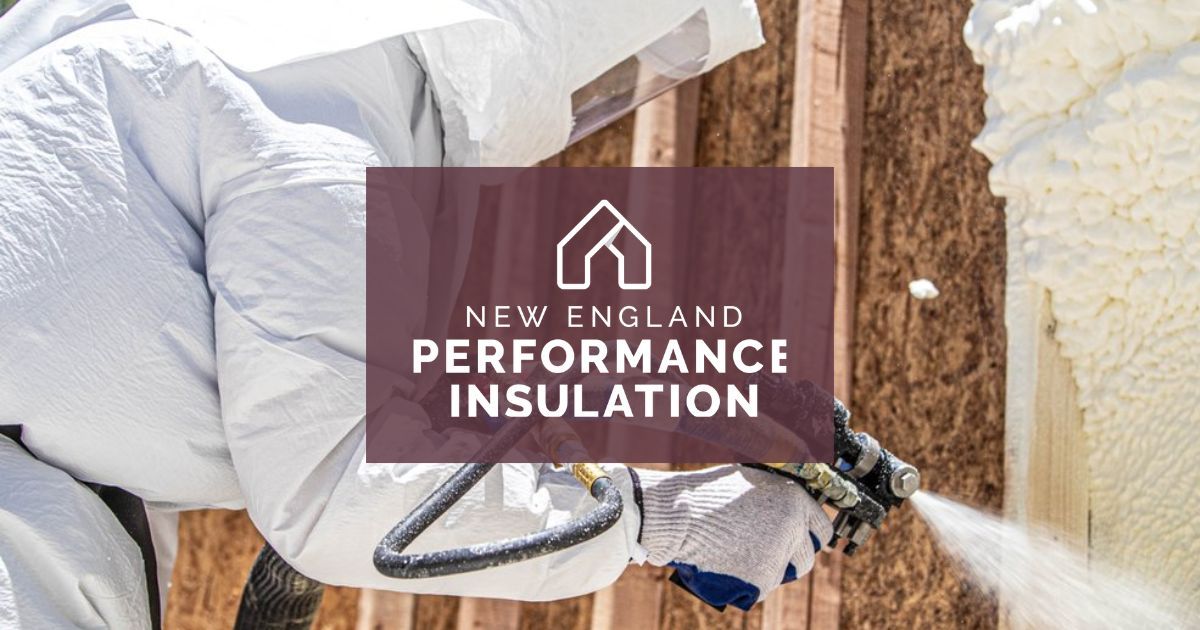
A Connecticut homeowner shares why they chose spray foam insulation for their new construction home — and how it cut long-term heating and cooling costs from day one.
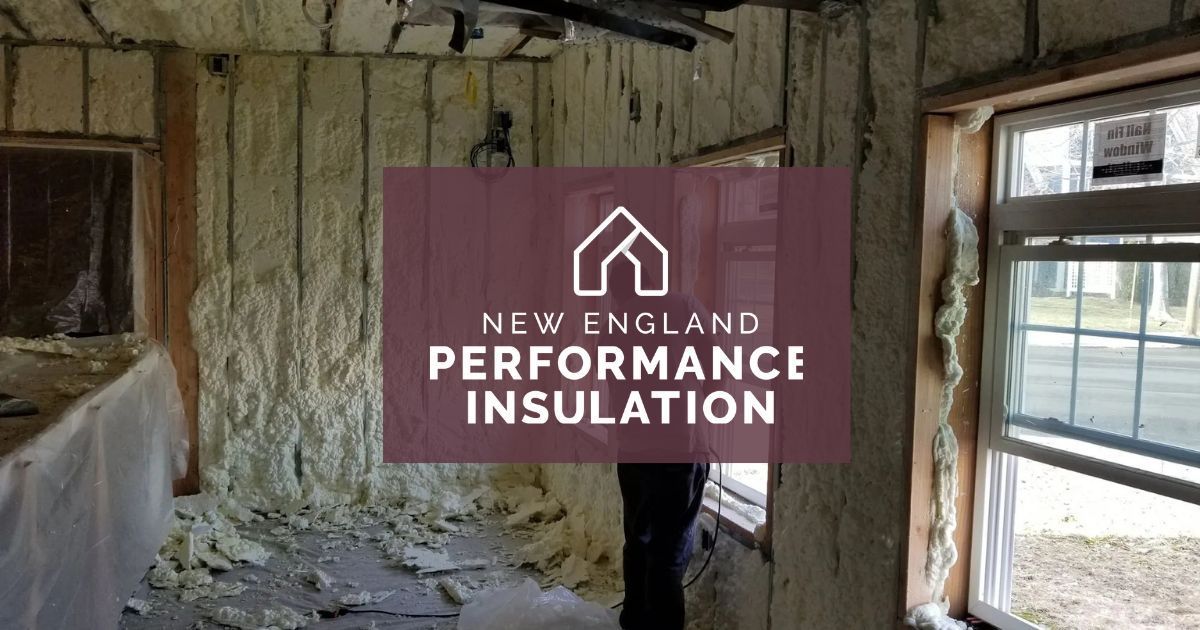
Watch NEPI's crew install 4 inches of R-Max rigid foam insulation in a 3,500 sq ft new construction basement using a pin system that's dramatically faster than adhesive. See how it's done.
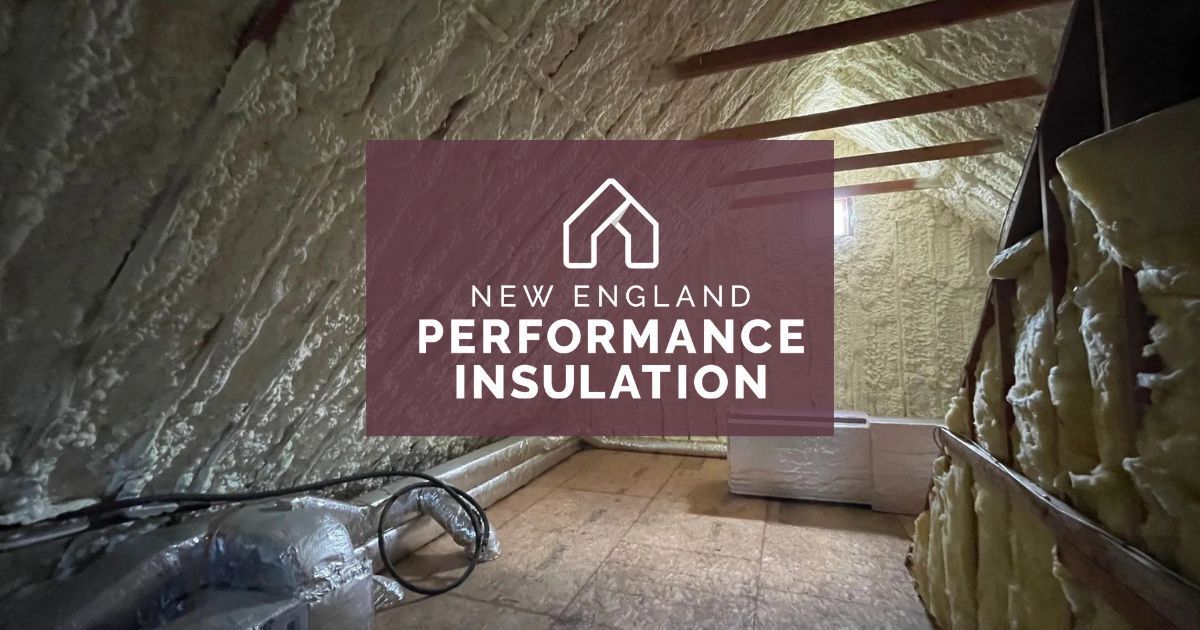
Learn about New England Performance Insulation (NEPI) — a Milford, CT insulation contractor serving New Haven County since 2015. Spray foam, fiberglass, cellulose, crawl space encapsulation, and commercial fireproofing.
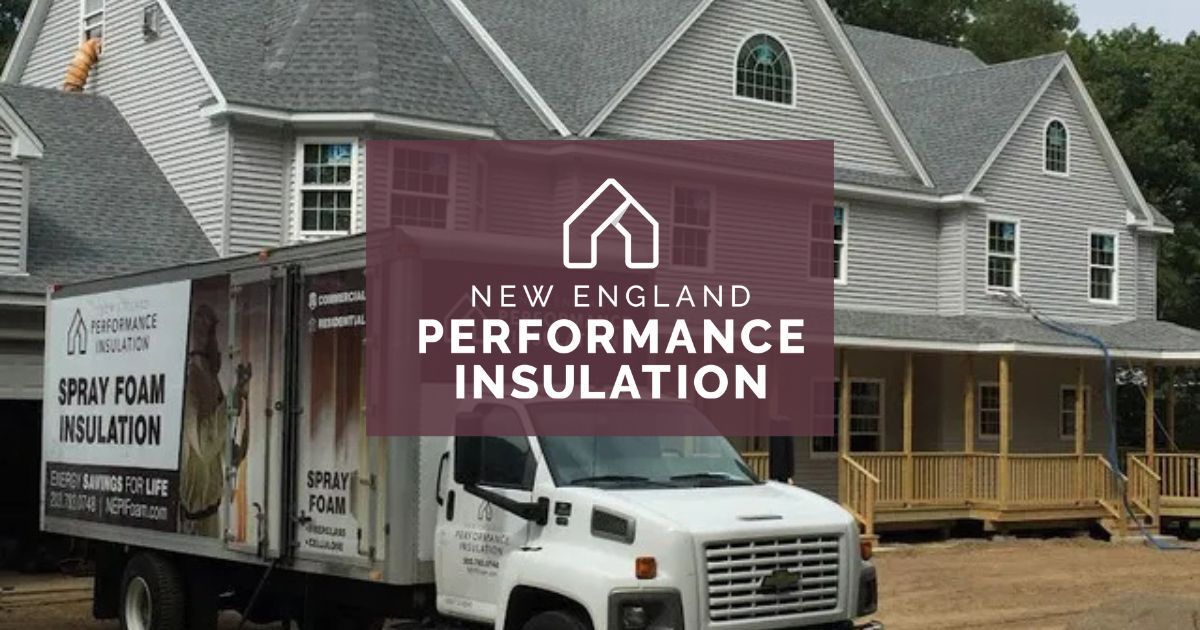
Hear from a real Connecticut homeowner about what it's like to hire NEPI for insulation. From five-star reviews to responsive staff — here's why homeowners trust NEPI.

Learn what commercial fireproofing is, how it protects structural steel, and why it’s required by building codes for safety.