
What Areas of a Home Should Be Insulated First?

New England Performance Insulation • April 20, 2026

What Areas of a Home Should Be Insulated First?

Not all parts of a home contribute equally to energy loss. While many homeowners assume insulation should be done everywhere at once, focusing on the right areas first can make a noticeable difference in comfort and energy costs.


The key is identifying where air is escaping and prioritizing the areas that will have the biggest impact.

Why the Attic Should Be Your First Priority

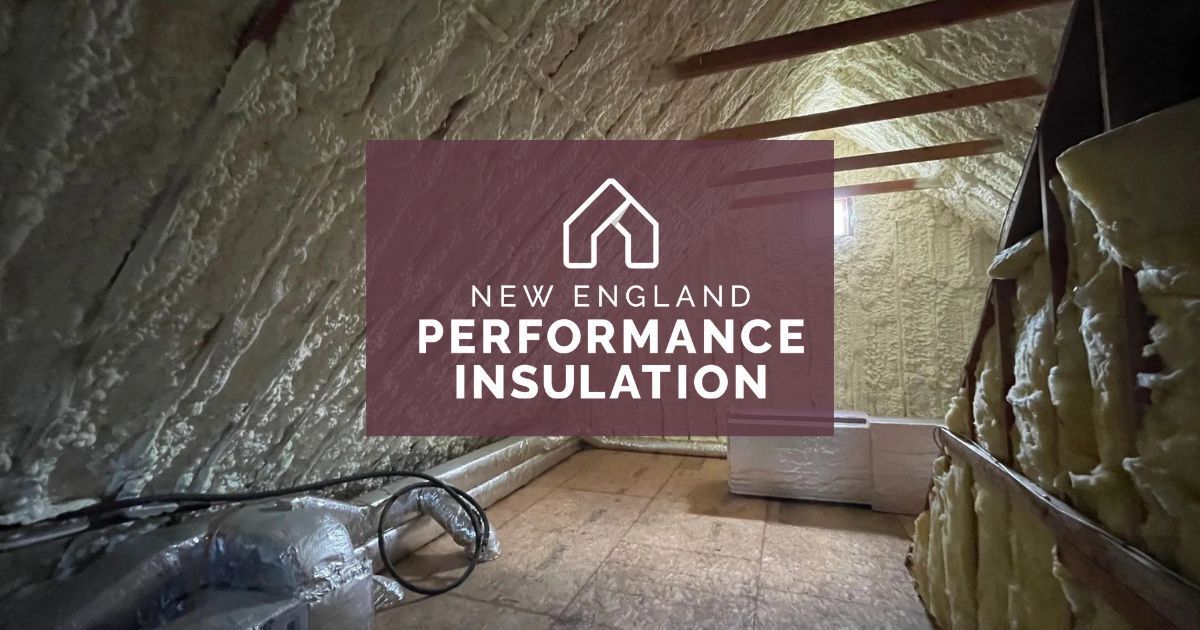
The attic is typically the most important place to start. Because heat rises, a large amount of warm air escapes through the roof during colder months. In the summer, heat can also enter through the attic, making your home harder to cool.


If the attic isn’t properly insulated or sealed, your HVAC system has to work harder to maintain a consistent temperature. Addressing this area first often delivers the most immediate improvement in both comfort and efficiency.

The Rim Joist: A Commonly Overlooked Problem

Another critical area is the rim joist—the space where the foundation meets the wood framing of the home. This area runs along the perimeter of the basement and is one of the most common sources of air leakage.


In many homes, this is where a significant amount of cold air enters. Sealing and insulating the rim joist helps:


  • Reduce drafts near floors and walls
  • Improve temperature consistency
  • Increase overall energy efficiency

Other Areas That Can Improve Performance

Once the attic and rim joist are addressed, other areas can further improve energy efficiency. These don’t always need to be first, but they can make a noticeable difference depending on the home.


Common secondary areas include:


  • Wall cavities, especially in older homes
  • Crawlspaces that allow air and moisture in
  • Basements that aren’t properly sealed


Each home is different, so the impact of these areas can vary.

Why a Professional Assessment Helps

Every home loses energy in different ways, which is why a one-size-fits-all approach doesn’t always work. A professional assessment can identify exactly where the biggest issues are and help prioritize improvements.


This approach allows you to focus on the areas that will deliver the best results, rather than spending money on upgrades that may have less impact.

FAQ

  • Where should I insulate first in my home?

    The attic is usually the best place to start because it’s the largest source of heat loss.

  • What is a rim joist?

    It’s the area where the foundation meets the framing, and it’s a major source of air leakage.

  • How much air can leak through the rim joist?

    It can account for a significant portion of cold air entering the home—often one of the biggest leakage points.

  • Should I insulate walls before the attic?

    In most cases, no. The attic typically provides the biggest and fastest improvement.

For more information or to schedule service, call us at (203) 783-0748 or click below.

A person stands beside a commercial truck branded with
By NEPI Insulation Experts April 20, 2026
Learn what commercial fireproofing is, how it protects structural steel, and why it’s required by building codes for safety.
A person in protective gear uses a spray foam gun to apply insulation to the interior wall and rafters of a building.
By NEPI Insulation Experts April 20, 2026
Learn how fireproofing protects structural steel, prevents collapse, and helps meet building codes. A complete guide for commercial construction and safety.
A row of white and maroon business trucks and a pickup truck parked on an asphalt lot outdoors on a sunny day.
By NEPI Insulation Experts April 20, 2026
Learn the difference between fireproofing and fire-resistant insulation, where each is used, and how they impact safety, building codes, and energy efficiency.
A worker in protective gear sprays foam insulation onto the wooden rafters and walls of an attic interior.
By NEPI Insulation Experts April 20, 2026
Learn where fireproofing is applied and why it’s essential for protecting commercial buildings.
Foam insulation applied between wooden roof rafters, with a New England Performance Insulation logo in the corner.
By New England Performance Insulation April 20, 2026
Spray foam insulation is the most energy-efficient option because it seals air leaks and improves long-term performance. Learn how it compares to fiberglass and cellulose.
A yard sign for
By New England Performance Insulation April 20, 2026
Compare spray foam, fiberglass, and cellulose insulation to understand which option delivers the best energy efficiency, cost, and long-term performance.
Seven employees wearing dark shirts stand in front of three trucks branded with the New England Performance Insulation logo.
By New England Performance Insulation April 20, 2026
Learn why professional insulation is important for new construction, how building codes impact installation, and why spray foam is often required.
August 6, 2025
Tired of high energy bills? Discover why this homeowner chose spray foam insulation to reduce heating and cooling costs—and why they’re glad they did.
how spay foam works in connecticut
August 6, 2025
Discover how one Connecticut homeowner created a more comfortable, energy-efficient space by upgrading to spray foam insulation during their home renovation.
August 6, 2025
Adding more insulation won’t always improve energy efficiency. Learn why air sealing with spray foam is the key to real savings and comfort in Connecticut homes.
Show More