Why This Homeowner Chose Spray Foam Insulation for Long-Term Savings

New England Performance Insulation • August 6, 2025

From $300 Bills to Smart Savings: Why This Homeowner Upgraded to Spray Foam

When building or renovating a home, the goal isn't just comfort—it’s long-term efficiency. For one Connecticut homeowner, high past energy bills were the driving force behind a smarter insulation decision. Instead of settling for standard fiberglass batts, they chose spray foam insulation for better performance, comfort, and savings.

High Energy Costs in Older Connecticut Homes

Before building their new home, this homeowner lived in a 25-year-old property with monthly heating and cooling bills over $300. In their words, “that’s outrageous”—especially in the Northeast, where winter heating costs can skyrocket.


Their priority in the new home? Energy efficiency that lasts.

Weighing the Options: Batts, BIBS, and Spray Foam

The homeowner looked into several insulation types:

  • Traditional batt insulation
  • Blown-in blanket systems (BIBS)
  • Spray foam insulation

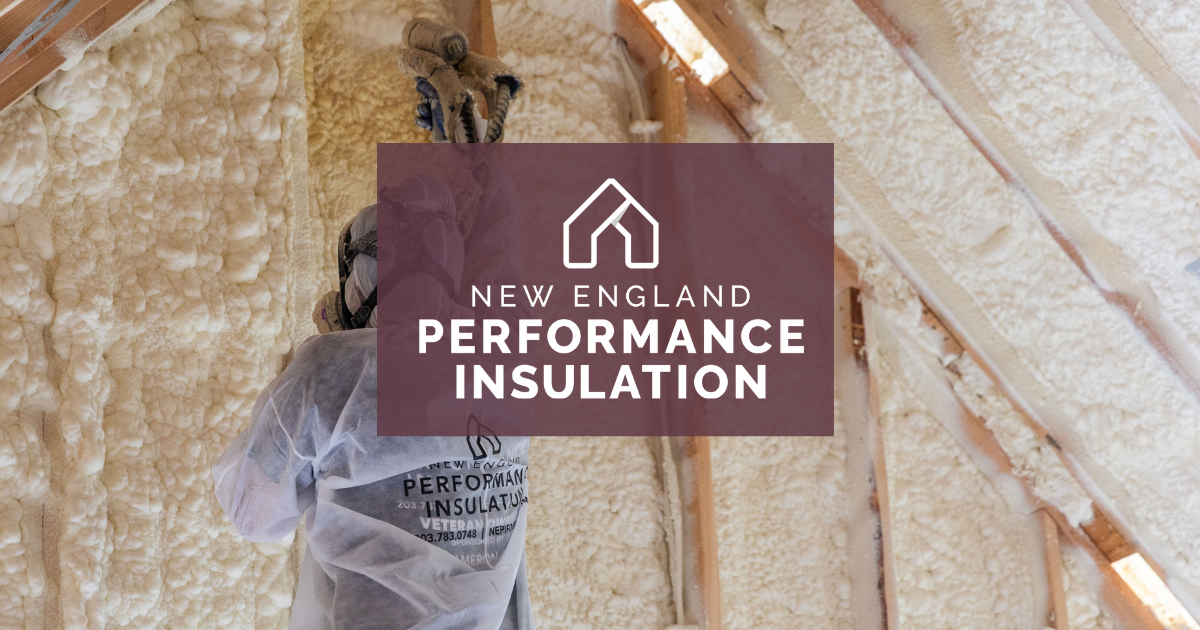
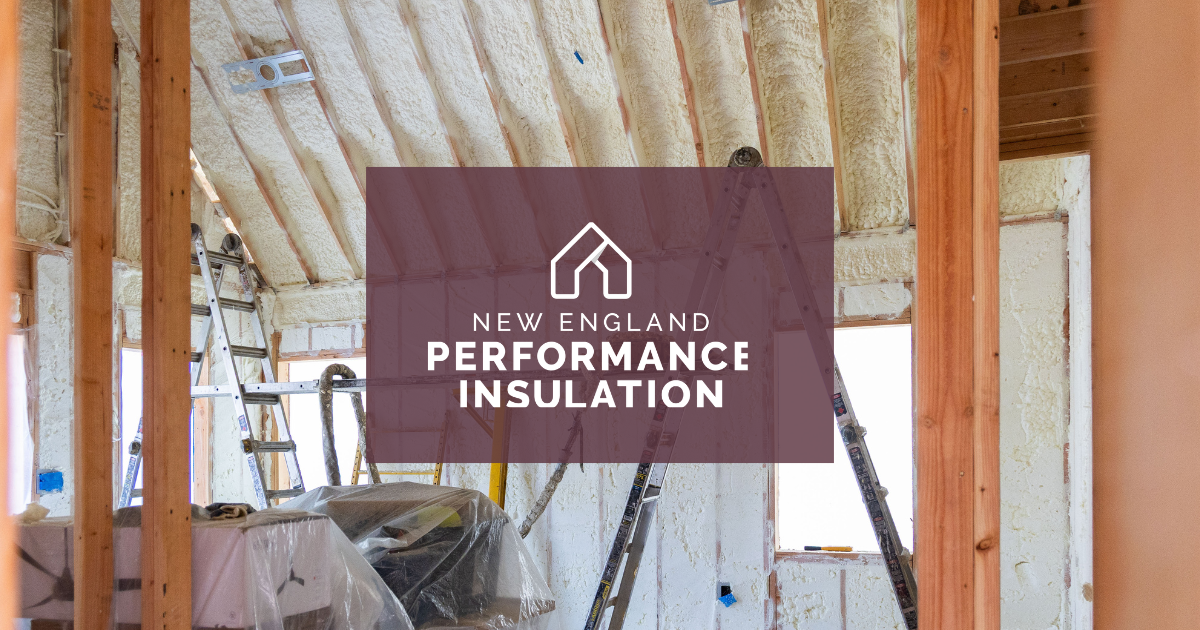
Ultimately, spray foam stood out because it forms a continuous thermal and air barrier, sealing every gap and crevice in a way other methods can’t. This airtight envelope leads to higher energy performance and lower monthly utility costs.

Feeling the Spray Foam Difference

After spray foam was installed, the difference was noticeable. Even before the HVAC system was running, the house retained warmth. As the homeowner recalled:

“We came in the next morning and it still felt warm. That’s when my wife looked at me and said, ‘Yeah, I guess we made the right decision.’”

Why He Recommends It—and You Should Too

This homeowner has already recommended spray foam insulation to friends and neighbors. Why?

  • It eliminates the need to seal areas manually post-installation
  • It delivers a complete, unified system that works from day one
  • It leads to real, noticeable comfort and cost benefits

Insulation That Pays for Itself

With lower utility bills, consistent indoor temperatures, and fewer drafts, spray foam insulation continues to prove its value long after construction ends. And when installed by experienced professionals—like the team at NEPI—it’s an investment that pays off for decades.

Building or renovating in Connecticut?

Choose an insulation system that saves money and improves comfort year-round. Contact New England Performance Insulation for a free estimate. New England Performance Insulation provides expert spray foam installation across Fairfield and New Haven counties. Call (203) 783-0748 or use our online form.

Two people at a desk reviewing a laptop in an office, with a “New England Performance Insulation” sign on screen
By New England Performance Insulation July 8, 2026
See what 163 reviews and a 5.0 average rating reveal about New England Performance Insulation — the top-rated spray foam insulation contractor in Milford, CT and New Haven County.
By New England Performance Insulation June 17, 2026
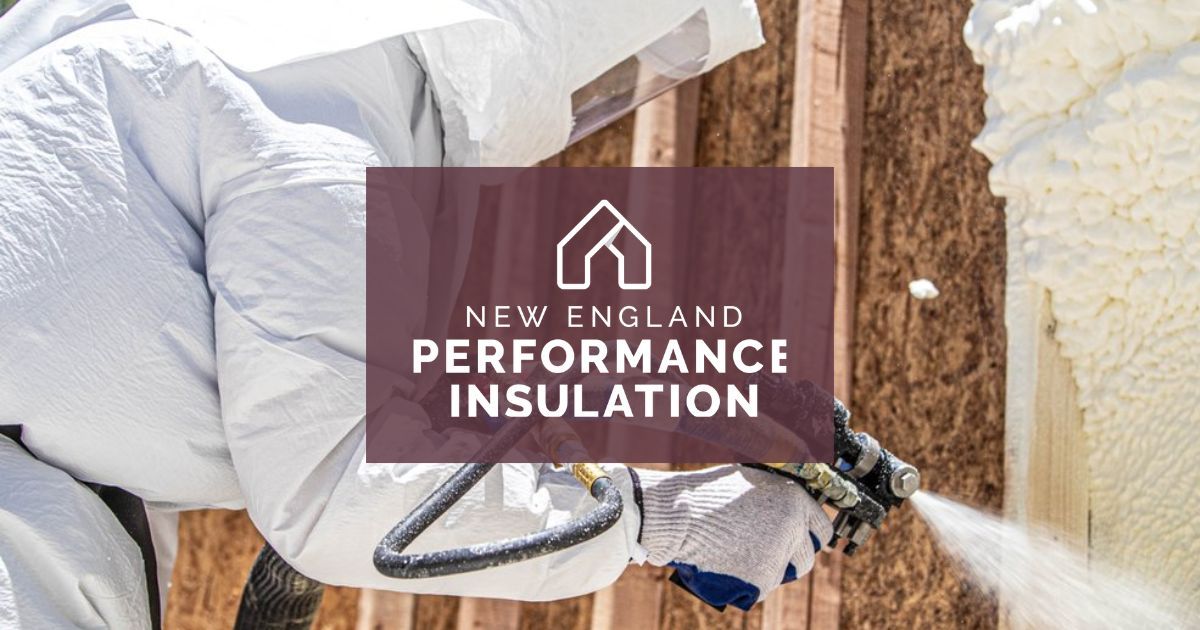
A Connecticut homeowner shares why they chose spray foam insulation for their new construction home — and how it cut long-term heating and cooling costs from day one.
By New England Performance Insulation June 17, 2026
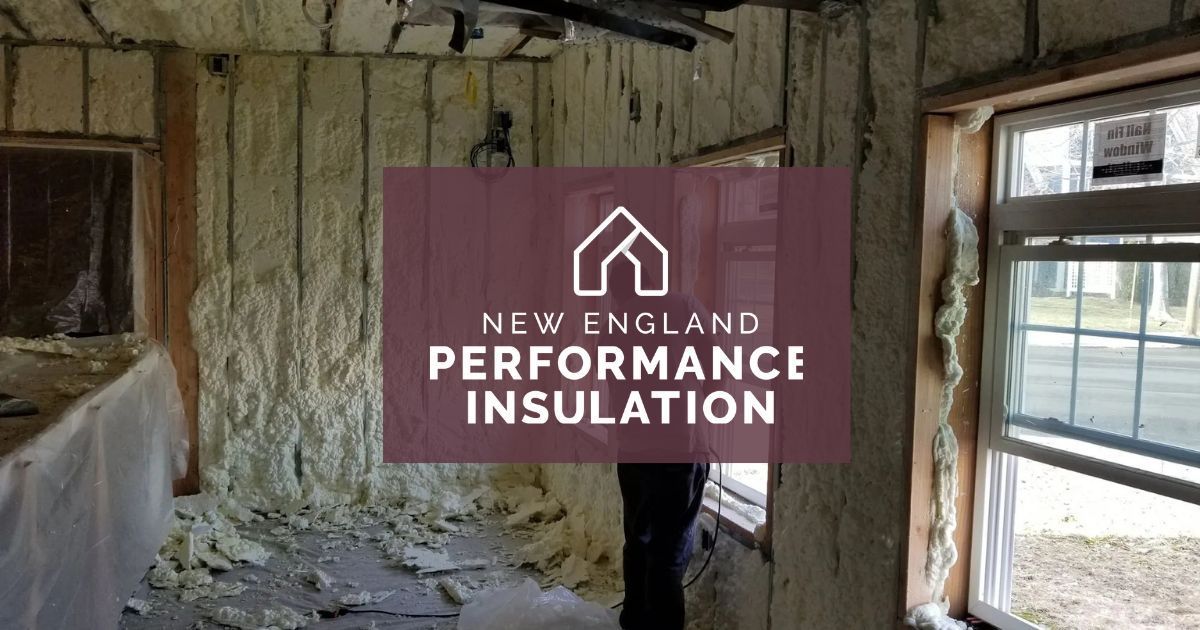
Watch NEPI's crew install 4 inches of R-Max rigid foam insulation in a 3,500 sq ft new construction basement using a pin system that's dramatically faster than adhesive. See how it's done.
By New England Performance Insulation June 17, 2026
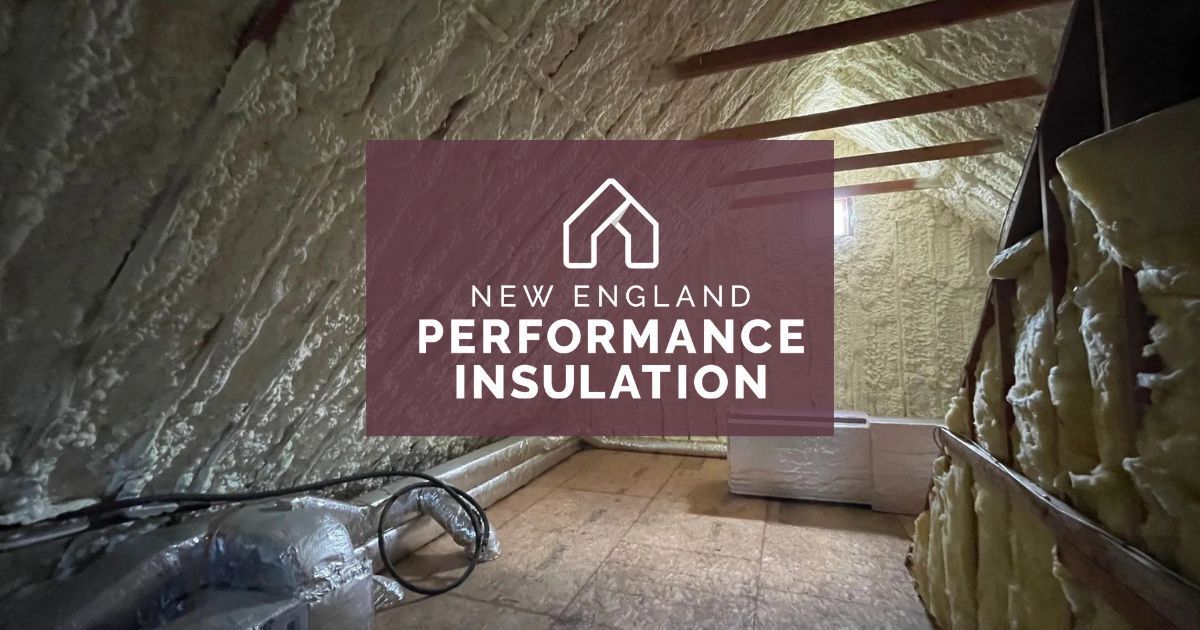
Learn about New England Performance Insulation (NEPI) — a Milford, CT insulation contractor serving New Haven County since 2015. Spray foam, fiberglass, cellulose, crawl space encapsulation, and commercial fireproofing.
By New England Performance Insulation June 17, 2026
Hear from a real Connecticut homeowner about what it's like to hire NEPI for insulation. From five-star reviews to responsive staff — here's why homeowners trust NEPI.

A person stands beside a commercial truck branded with
By New England Performance Insulation April 20, 2026
Learn what commercial fireproofing is, how it protects structural steel, and why it’s required by building codes for safety.
A person in protective gear uses a spray foam gun to apply insulation to the interior wall and rafters of a building.
By New England Performance Insulation April 20, 2026
Learn how fireproofing protects structural steel, prevents collapse, and helps meet building codes. A complete guide for commercial construction and safety.
A row of white and maroon business trucks and a pickup truck parked on an asphalt lot outdoors on a sunny day.
By New England Performance Insulation April 20, 2026
Learn the difference between fireproofing and fire-resistant insulation, where each is used, and how they impact safety, building codes, and energy efficiency.
A worker in protective gear sprays foam insulation onto the wooden rafters and walls of an attic interior.
By New England Performance Insulation April 20, 2026
Learn where fireproofing is applied and why it’s essential for protecting commercial buildings.
Foam insulation applied between wooden roof rafters, with a New England Performance Insulation logo in the corner.
By New England Performance Insulation April 20, 2026
Spray foam insulation is the most energy-efficient option, sealing air leaks and boosting long-term performance. See how it compares to fiberglass and cellulose.
Show More