How Fireproofing Protects Structural Steel
How Does Fireproofing Protect Structural Steel?
Structural steel is one of the strongest building materials used in construction—but under extreme heat, it becomes vulnerable. Fireproofing is what allows steel to maintain its strength during a fire and helps prevent structural collapse.
Understanding how this works is critical for
commercial builders, property owners, and project managers.
What Happens to Steel in a Fire
Steel does not burn, but that doesn’t mean it’s fire-safe. High temperatures quickly affect its strength and stability.
- Steel begins to soften as temperatures rise
- It can lose up to 50% of its strength at high heat
- Load-bearing capacity decreases rapidly
- Beams can bend, warp, or collapse
In a real fire scenario, this process can happen faster than expected. Without protection, structural failure becomes a serious risk, especially in large commercial buildings.
How Fireproofing Works to Protect Steel
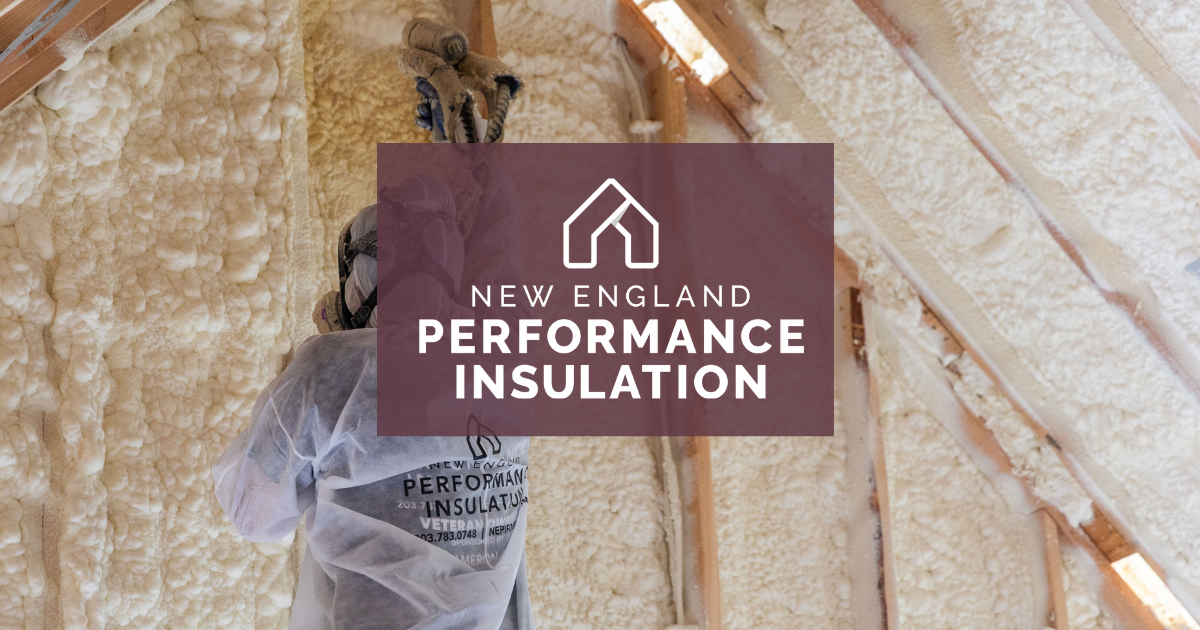
Fireproofing acts as a protective layer that slows how quickly heat reaches the steel underneath.
Instead of the steel being directly exposed to flames, the fireproofing material absorbs and delays the heat transfer. This gives the structure more time to perform under stress.
- Creates a thermal barrier between fire and steel
- Slows temperature increase significantly
- Helps steel maintain strength longer
- Reduces risk of sudden structural failure
This delay is what allows occupants to evacuate safely and gives emergency responders time to act.
Types of Fireproofing Used in Commercial Buildings
There are different types of fireproofing systems depending on the building and application.
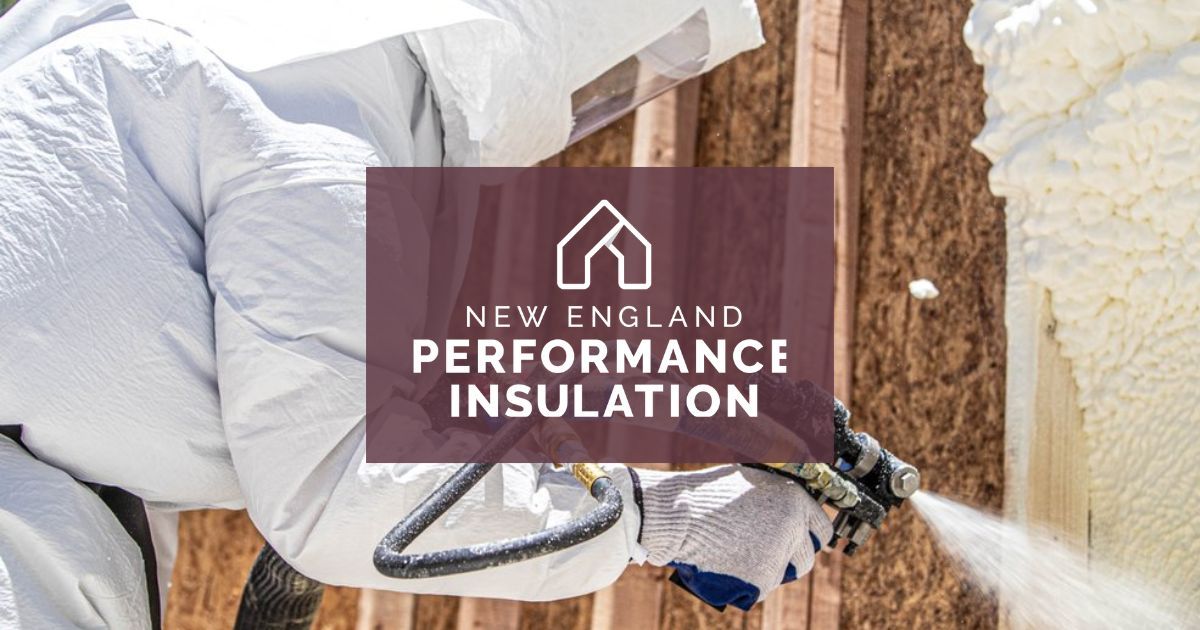
Spray-Applied Fireproofing (Most Common)
- Applied directly onto steel beams and columns
- Creates a thick, protective coating
- Common in parking garages and large structures
Intumescent Coatings
- Expands when exposed to heat
- Forms an insulating char layer
- Often used where aesthetics matter
Board and Encasement Systems
- Physical barriers installed around steel
- Used in specialized or high-end applications
Each system is designed to achieve a specific fire-resistance rating based on the project requirements.
Where Fireproofing Is Applied in a Building
Fireproofing is not used everywhere—it is specifically applied to areas that support the structure.
- Steel beams and columns
- Floor supports and joists
- Structural framing systems
- Load-bearing components
It is most commonly found in:
- Commercial buildings
- Warehouses
- Hospitals and schools
- Parking structures
Unlike insulation, fireproofing is focused strictly on protecting the building’s structural integrity.
Why Fireproofing Is Required by Code
Fireproofing is not optional in most commercial construction projects. It is required to meet building safety regulations.
Modern building codes require fire-resistance ratings for structural elements to ensure safety during a fire.
- Helps buildings pass inspections
- Meets International Building Code requirements
- Reduces liability for owners and contractors
- Ensures occupant safety
Without proper fireproofing, a building may not be approved for occupancy.
Frequently Asked Questions
When does steel start to weaken in a fire?
Steel begins to lose strength at high temperatures, typically around 1,000°F. As heat increases, it softens and can lose its load-bearing capacity.
What is a fire rating?
A fire rating indicates how long a material or system can withstand fire exposure. Common ratings include 1-hour, 2-hour, and up to 4-hour protection.
Is all structural steel fireproofed?
Most structural steel in commercial buildings is required to be fireproofed, but the level of protection depends on building type and code requirements.
Can fireproofing fail?
Yes, if it is improperly installed or damaged, fireproofing may not perform as expected. That’s why proper installation and inspection are critical.
Who inspects fireproofing?
Fireproofing is typically inspected by building inspectors or third-party professionals to ensure it meets code and thickness requirements.
For more information or to schedule service, call us at (203) 783-0748 or click below.